
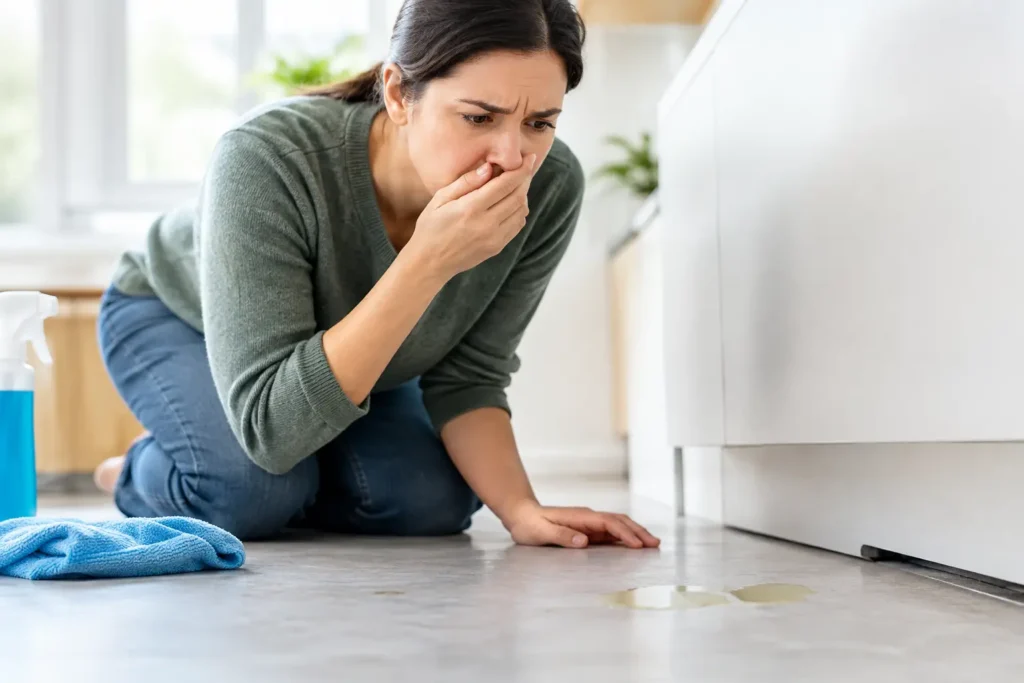
That sharp, musky smell in an attic or crawlspace is more than an unpleasant reminder that rodents have been there. Can rat urine make you sick? Yes, it can create a meaningful health concern, particularly when urine, droppings, nesting debris, and contaminated insulation have built up in an enclosed part of the home.
The risk is not the same in every situation. A small, fresh spot found and cleaned correctly is very different from a long-running infestation above bedrooms or beneath living areas. But when rodents have been active for weeks or months, homeowners should treat the area as contaminated and avoid disturbing it without the proper protection.
Can Rat Urine Make You Sick?
Rat urine can carry harmful germs. One of the better-known concerns is leptospirosis, a bacterial illness that can spread when a person comes into contact with urine from an infected animal or with water, soil, or surfaces contaminated by it. Exposure can occur through the eyes, nose, mouth, or broken skin.
People may also be exposed when dried urine and droppings are disturbed. Sweeping, vacuuming, or pulling apart a rodent nest can send contaminated dust into the air. This is especially concerning in attics, crawlspaces, garages, wall voids, and other areas with poor ventilation.
Symptoms following rodent-related exposure may resemble the flu: fever, headache, muscle aches, nausea, vomiting, diarrhea, or fatigue. Some illnesses can become serious if left untreated. Anyone who develops symptoms after contact with rodents or contaminated materials should contact a medical professional promptly and explain the possible exposure.
Not every odor means someone has been infected, and smelling urine alone does not automatically make a person sick. The problem is that odor often signals ongoing or extensive contamination that should not be ignored.
Why Attics and Crawlspaces Carry Higher Risk
Rodents rarely limit themselves to one corner. They travel along framing, ductwork, pipes, and insulation, leaving urine trails and droppings as they go. Over time, insulation can absorb contamination and odor, nests can collect in hidden areas, and air movement can carry odors and particles into living spaces.
A damaged or contaminated attic also affects more than cleanliness. Compressed, soiled insulation may no longer perform as intended, allowing heat to move more easily through the home. In Southern California, that can mean less comfort indoors and higher energy costs during hot weather.
Children, older adults, people with asthma, and anyone with a weakened immune system may be more sensitive to poor indoor air conditions. Pets can also track contaminated material from accessible areas into other parts of the property.
Do Not Sweep or Vacuum Rodent Contamination
A common mistake is trying to clean droppings, nesting material, or stained insulation with a household broom or vacuum. Dry cleanup can stir particles into the air and spread contamination beyond the original area.
If you find signs of rats, keep people and pets away from the affected space. Do not handle nests with bare hands or pull contaminated insulation into the home. If a small surface area must be addressed before help arrives, use gloves and appropriate respiratory protection, wet the material with a disinfecting solution, and avoid creating dust. Large accumulations, inaccessible contamination, or urine-saturated insulation call for professional remediation.
A Complete Cleanup Has to Address the Cause
Removing a few droppings or placing traps does not restore a contaminated attic or crawlspace. A proper response begins with an inspection to identify active rodent signs, entry points, damaged insulation, odor sources, and the extent of contamination.
From there, trained technicians can remove contaminated nesting materials and insulation, sanitize affected surfaces, treat persistent urine odor, and replace insulation where needed. Just as critical, exclusion work seals the gaps rodents use to enter. Without that final step, a cleaned attic can quickly become contaminated again.
Professional Rodent Cleanup approaches the work as home restoration, not basic pest removal. The goal is a clean, sanitized, properly insulated, rodent-resistant space that supports healthier indoor conditions and protects the home long term.
When to Schedule an Inspection
Do not wait for a rodent problem to become visible in living areas. Schedule an inspection when you notice a persistent ammonia-like or musky odor, droppings, shredded insulation, scratching sounds, gnaw marks, grease marks along walls, or evidence of a nest. A sudden increase in flies or stains on ceilings can also point to activity above.
For homeowners in Los Angeles, Orange, Ventura, Riverside, and San Bernardino counties, fast action can limit the damage before contamination spreads through more insulation or rodents establish additional nesting areas. A qualified inspection gives you a clear picture of what needs to be removed, sanitized, repaired, and sealed.
Your home should not require you to live with odors, uncertainty, or contaminated insulation overhead. Address the source early, protect the people under your roof, and make sure the entry points are closed for good.
2 Responses