
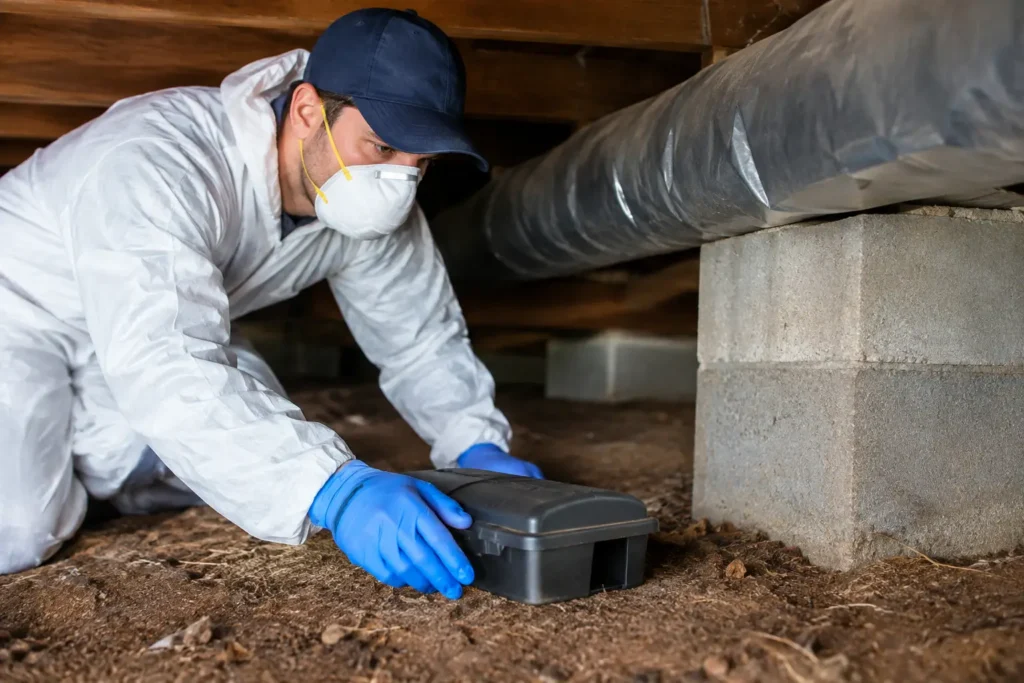
That sharp, stale odor coming through the floor is not something to cover with air freshener. When rodents have used the area beneath your home as a nesting site or travel path, crawlspace rodent cleanup is about more than removing a few droppings. It means removing contamination, addressing damaged insulation and odors, and closing the openings that let rodents get inside in the first place.
A crawlspace is out of sight, which makes it easy for a rodent problem to grow unnoticed. By the time a homeowner finds droppings near a foundation vent, hears activity under the floor, or notices a urine smell indoors, there may be contaminated materials spread across a much larger area. A complete professional response restores the space beneath the home and helps protect the air, comfort, and condition of the rooms above it.
Why Rodent Contamination in a Crawlspace Needs Attention
Rodents do not keep their waste in one tidy corner. They move along pipes, ducts, framing, and insulation, leaving urine, droppings, nesting materials, and debris behind them. In a crawlspace, moisture and limited ventilation can allow odors to linger and make contaminated materials harder to address properly.
Insulation is often one of the biggest concerns. Rodents tear it apart for nesting, compress it as they travel, and contaminate it with waste. Once insulation is heavily soiled or damaged, it may no longer perform as intended. That can contribute to uncomfortable floors, higher heating and cooling costs, and persistent odors that travel into the home through gaps around plumbing, ductwork, and other openings.
There is also a practical health concern. Rodent waste can contain contaminants, and disturbing dry droppings or nesting materials without the right protective equipment can send dust into the air. Homeowners should not enter a contaminated crawlspace to sweep, vacuum, or bag materials without understanding the exposure risks. This is a job for trained technicians using proper protective gear and controlled cleanup methods.
What Complete Crawlspace Rodent Cleanup Includes
A real cleanup should not stop at trapping or removing a dead animal. Rodent control can be part of the solution, but it does not restore a contaminated crawlspace. The right scope depends on what technicians find during an inspection, including the amount of waste, the condition of the insulation, evidence of moisture, and active entry points.
Inspection and damage assessment
The process begins with a close inspection of the crawlspace and the exterior of the home. Technicians look for droppings, urine staining, nests, damaged vapor barriers, torn insulation, chewed wiring or ducts, and signs that rodents are still active. They also identify access points around foundation vents, utility penetrations, roof-to-wall connections, doors, and other vulnerable areas.
This first step matters because cleanup without identifying the source can leave the home vulnerable to a repeat problem. A small opening can be enough for a mouse to enter, while rats can take advantage of larger gaps around pipes, vents, and damaged screens.
Safe removal of contaminated materials
When insulation, nesting debris, or other materials are contaminated, they are removed and contained for proper disposal. Technicians work in full protective gear to limit exposure while handling waste and debris. The goal is not to make the area look cleaner from the access hatch. It is to remove the materials that are holding odor and contamination beneath the home.
Not every crawlspace requires full insulation removal. If contamination is isolated and the surrounding insulation is clean, a more targeted approach may be appropriate. But when rodents have traveled extensively, nested in multiple areas, or saturated insulation with urine, partial cleanup can leave the underlying odor and contamination behind.
Sanitization and odor treatment
After affected materials are removed, the crawlspace is treated to address remaining contamination and urine odor. Professional sanitization is designed for concealed structural areas where ordinary household cleaners are not enough. Odor treatment is especially important because urine can absorb into wood, soil, insulation, and other porous surfaces.
Results depend on the condition of the space. A dry crawlspace with localized contamination may respond quickly, while long-term activity combined with moisture or extensive insulation damage can require more involved remediation. A reputable provider should explain what can be cleaned, what needs to be removed, and why.
Insulation restoration
Replacing removed insulation helps return the home to a more comfortable and energy-efficient condition. This is not a cosmetic add-on. Insulation helps regulate indoor temperatures, and a crawlspace with missing, torn, or compressed material can affect the rooms above it.
The right insulation solution depends on the home’s construction and the condition of the crawlspace. Some homes need a limited replacement, while others need a broader restoration after widespread rodent damage. The key is making sure replacement happens after cleanup and sanitization, not before.
Exclusion work that keeps rodents out
The final protection is exclusion. Without it, even a thoroughly cleaned crawlspace can become contaminated again. Exclusion work closes access points using durable materials and repairs vulnerable areas that rodents use to enter.
This is where a cleanup company should think like a home-restoration partner, not just a pest-control provider. The job is not complete when the activity stops for a week. It is complete when the affected area is cleaned, the home is restored, and the entry routes have been addressed to help lock rodents out for good.
Signs You Should Schedule a Crawlspace Inspection
Some signs are obvious, such as visible droppings near a crawlspace opening or shredded insulation falling from the subfloor. Others are easier to miss. A persistent musky or ammonia-like odor, unexplained sounds under the floor, damaged foundation vent screens, or a sudden increase in insects around the crawlspace can all point to rodent activity.
You may also notice cold floors, uneven room temperatures, or rising utility bills after rodents damage insulation. These symptoms do not always mean rodents are the cause, but they are worth investigating, particularly in older homes with accessible crawlspaces.
Do not wait for a minor sign to become extensive damage. Rodents reproduce quickly, and the longer they occupy a concealed area, the more waste, odor, and material damage they can create. A professional inspection gives you a clear picture of what is happening and what repairs are actually needed.
Why Cleanup and Exclusion Belong Together
It is understandable to want the fastest possible fix after finding rodent evidence. But a trap-only approach may remove an immediate problem without addressing the contaminated materials or the opening that invited rodents inside. On the other hand, cleaning without exclusion can mean paying to restore an area that remains exposed.
A complete service plan connects the steps in the right order: assess the activity, remove contaminated materials, sanitize the affected areas, restore insulation when needed, and seal the entry points. That approach protects both the home and the investment you make in cleanup.
For homeowners in Los Angeles, Ventura, Orange, Riverside, and San Bernardino counties, Professional Rodent Cleanup provides no-obligation inspections and a full restoration approach for contaminated crawlspaces. Same-day scheduling may be available when the situation cannot wait.
If you suspect rodents have been living beneath your home, keep the crawlspace closed and avoid disturbing droppings or nests. Schedule an inspection, get a clear explanation of the damage, and choose a plan that leaves your home clean, sanitized, insulated, and protected against the next unwanted visitor.