
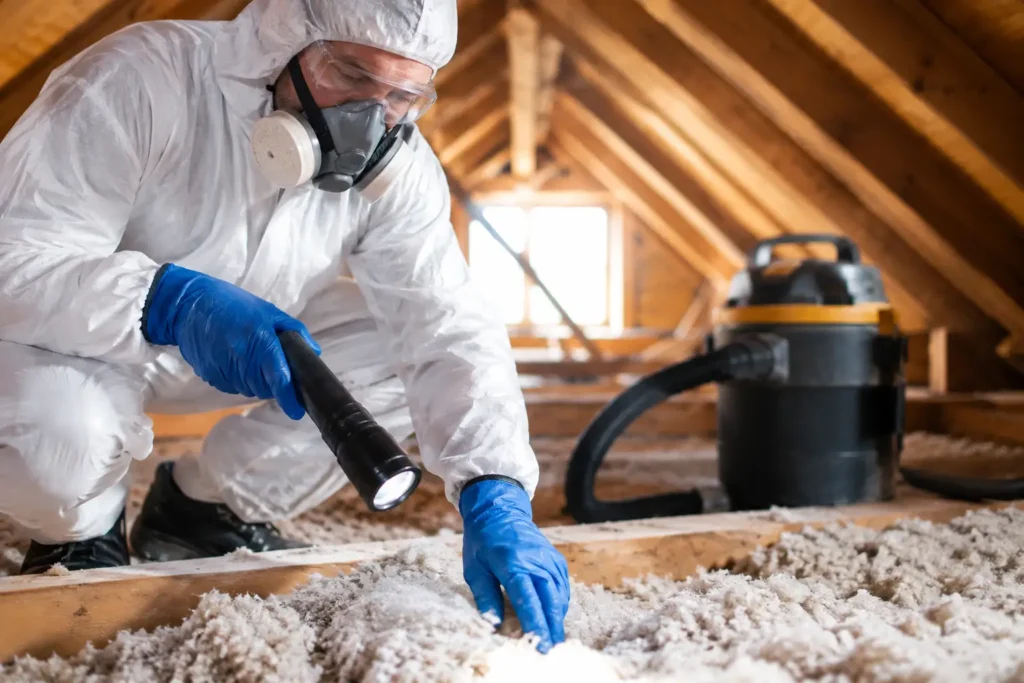
A strong urine odor coming through ceiling vents, fresh droppings near the attic hatch, or insulation pulled into nests can turn an ordinary day into an urgent problem. Emergency attic cleanup is not simply about removing what you can see. Rodent contamination can spread through insulation, framing cavities, duct areas, and other concealed spaces that affect odor, indoor air, and the condition of your home.
The right response is calm but prompt: limit exposure, avoid disturbing contaminated material, and have the attic inspected by trained cleanup and exclusion professionals. A complete restoration addresses the mess rodents left behind and the openings that allowed them inside.
When an Attic Cleanup Becomes an Emergency
Not every attic issue requires a middle-of-the-night response. A few older droppings discovered during a remodel may allow time for a scheduled inspection. But certain signs should not wait, especially when activity appears current, odors are entering living areas, or contamination is extensive.
Fresh droppings, gnawed wiring, active scratching sounds, visible nesting, and a sharp ammonia-like odor are all reasons to act quickly. Rodents can damage insulation as they tunnel and nest, reducing its ability to control heat transfer. They may also contaminate materials over a wide area through urine and droppings, even when the visible evidence seems limited to one corner.
The urgency increases if anyone in the household has asthma, respiratory sensitivity, a weakened immune system, or young children who may be more affected by poor indoor-air conditions. Water leaks are another concern. Wet, soiled insulation can hold odors and create a much larger restoration issue if it is left in place.
What Not to Do Before Professionals Arrive
An attic is a confined, dusty environment with poor footing and limited visibility. Homeowners often make the problem worse by climbing up with a household vacuum, broom, or trash bags. Sweeping or vacuuming dry rodent waste can stir contaminated dust into the air. Moving insulation without proper containment can also spread debris through the home or into areas that were not previously affected.
Do not disturb nests, droppings, or dead rodents. Avoid running HVAC equipment if you believe contamination has entered return-air pathways or duct connections, and keep children and pets away from the attic access point. If you smell burning, see chewed electrical wiring, notice a ceiling stain, or suspect an active leak, treat those conditions as separate safety concerns and contact the appropriate emergency service provider as needed.
You can help the inspection go faster by taking note of what you observed: where odors are strongest, when noises occur, whether you have seen rodents outdoors, and any changes in heating or cooling performance. Photos taken from a safe distance can be useful, but there is no need to enter the attic to document the issue.
What Professional Emergency Attic Cleanup Should Include
A proper cleanup is a restoration process, not a quick pest-control visit. Trapping alone may reduce activity, but it does not remove contaminated insulation, sanitize affected surfaces, correct odor sources, or close the entry points rodents use to return.
Inspection and source identification
The first step is a detailed assessment of the attic, crawlspace if applicable, exterior roofline, vents, utility penetrations, and other likely access points. Technicians determine the extent of contamination, identify damaged insulation and nesting materials, and look for evidence of active rodent travel.
This inspection matters because the visible mess is rarely the full story. A single opening along an eave, roof junction, or pipe penetration can support repeated activity. If that opening remains accessible, a cleaned attic can quickly become contaminated again.
Containment and contaminated-material removal
Professional crews use appropriate protective equipment and controlled removal methods to handle rodent waste, nests, carcasses, and contaminated insulation. Material is contained and removed from the property rather than pushed deeper into the attic or left beneath replacement insulation.
Whether all insulation needs to be removed depends on the amount and distribution of contamination. Localized activity may permit targeted removal in some homes. Heavy droppings, widespread urine odor, tunneling, or long-term nesting often call for a more complete insulation removal so sanitation can reach the underlying surfaces.
Sanitization and odor treatment
After removal, affected attic surfaces need professional cleaning and sanitizing treatment. This step helps address the biological contamination that remains after nests and insulation are gone. Odor treatment should focus on the source, not simply cover it with fragrance.
Results depend on the condition of the structure. Old urine contamination may have penetrated wood or other porous materials, and severe cases can require additional treatment. A reputable provider should explain what can reasonably be restored, what may need replacement, and why.
Insulation restoration
Clean insulation is more than a comfort upgrade. It helps stabilize indoor temperatures, reduces strain on heating and cooling systems, and restores a key protective layer in the home. Once the attic is cleaned and sanitized, replacement insulation can be installed to the appropriate coverage level for the space.
This order matters. Installing new insulation before contamination is fully removed can trap odor sources below it and make later cleanup more difficult and expensive.
Exclusion that locks rodents out
The final protection is exclusion work. Technicians seal the cracks, gaps, vent openings, construction joints, and exterior penetrations rodents use to enter. The materials and approach should match the location. A roofline opening requires a different repair than a gap around a utility line or damaged crawlspace vent.
Exclusion is where a complete restoration separates itself from a basic extermination service. The goal is not to create a temporary reduction in sightings. The goal is to make the home far more resistant to future entry.
Why Odor and Insulation Problems Should Not Be Ignored
Homeowners often call because of droppings, then discover the more persistent problem is odor. Rodent urine can soak into insulation and settle on framing, especially in attics with repeated activity. On warm Southern California days, attic heat can make those odors stronger and cause them to become more noticeable near ceiling registers, closets, or upper-level rooms.
Damaged insulation creates a second cost. Rodents flatten it, move it, contaminate it, and use it for nests. Even if it looks acceptable from the attic hatch, its performance may be reduced in the areas that matter most. Cleaning the space without evaluating the insulation can leave behind odors, compromised energy efficiency, and an unfinished restoration.
Choosing the Right Emergency Cleanup Team
Ask whether the company performs the entire job or only one part of it. A team that handles inspection, safe removal, sanitization, insulation replacement, and exclusion can create a coordinated plan and reduce the gaps between trades.
It is also reasonable to ask about licensing, insurance, technician training, protective procedures, cleanup scope, disposal methods, financing options, and workmanship coverage. Emergency service is valuable, but speed should not mean shortcuts. You want a provider that can explain exactly what was found, what will be removed, what will be sanitized, and how the home will be sealed against reinfestation.
For homeowners in Los Angeles, Orange, Ventura, Riverside, and San Bernardino counties, Professional Rodent Cleanup provides free, no-obligation inspections and emergency response for attic and crawlspace contamination. The focus is a clean, sanitized, insulated, and rodent-resistant home – not a temporary fix.
If you are smelling urine, hearing movement overhead, or finding fresh signs near your attic access, do not wait for the damage to become more extensive. A prompt professional inspection can turn an unsettling discovery into a clear plan for restoring the space and protecting the home beneath it.