
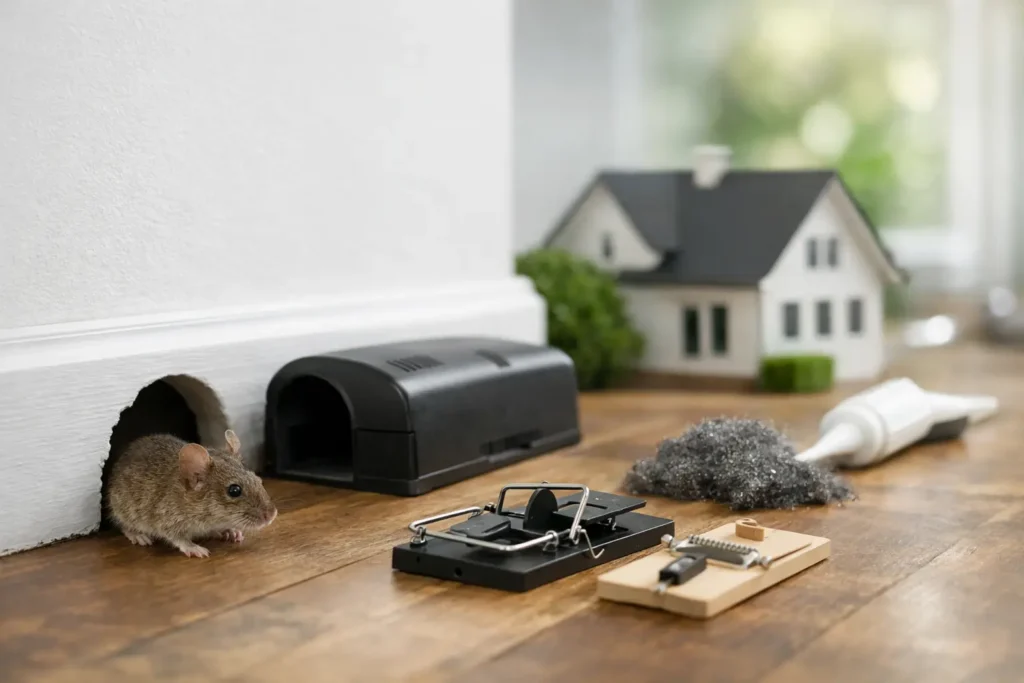
If rodents keep coming back, the problem usually is not just the animals – it is the space they have already claimed. A true Permanent Rodent solution means more than trapping what you see. It means removing what attracted them, cleaning what they contaminated, and sealing the structure so they cannot return.
For homeowners dealing with attic or crawlspace activity, that difference matters. Rodents do not just leave droppings behind. They damage insulation, create strong odors, spread bacteria and allergens, and turn hidden parts of the home into unhealthy spaces. If the contamination stays in place, the odor and nesting material can continue to attract new activity even after the original infestation is reduced.
What a permanent rodent solution actually requires
A lasting fix starts with understanding why many rodent problems return. Basic pest control may reduce the population, but if entry points remain open and contaminated nesting areas are left behind, reinfestation is common. Rodents only need a small gap to get back in, and attics and crawlspaces give them warmth, shelter, and easy access to insulation.
That is why permanent rodent control has to include both remediation and exclusion. First, the contaminated materials need to be removed safely. Then the affected area should be sanitized and deodorized. After that, all identified access points need to be sealed with durable materials that hold up over time. If insulation has been damaged or saturated with rodent waste, replacement is often part of the real solution, not an extra.
Why traps alone do not solve the full problem
Traps can play a role, but they are not the whole answer. They address rodent activity at one moment in time. They do not remove urine-soaked insulation. They do not eliminate odor trapped in attic materials. They do not repair openings around vents, rooflines, utility penetrations, or crawlspace access points.
This is where many homeowners lose time and money. The visible signs may improve for a few weeks, but the contamination remains hidden overhead or under the home. Then the smell returns, scratching sounds start again, or new droppings appear. What looks like a recurring pest problem is often an unfinished cleanup problem.
The cleanup step most homeowners underestimate
Rodent contamination in an attic or crawlspace is not ordinary debris. Disturbed droppings, nesting material, and urine-contaminated insulation can affect indoor air quality and spread particles into living areas. That is why professional cleanup should involve protective protocols, controlled removal, bagging and sealing contaminated materials, and thorough sanitization.
A proper cleanup also restores the space instead of simply emptying it. Once infested materials are removed, the area can be treated for odor and contamination. If insulation has lost its effectiveness, replacing it helps recover both cleanliness and energy efficiency. For many homes, this is the moment when the attic or crawlspace finally stops smelling bad and starts functioning the way it should.
Permanent rodent solution means sealing the structure
Exclusion is what turns cleanup into long-term protection. Rodents can enter through construction gaps, damaged vents, eave lines, pipe penetrations, foundation openings, and other small vulnerabilities that are easy to miss without a detailed inspection.
A permanent rodent solution depends on finding those points and sealing them correctly. Quick patch jobs often fail because rodents can chew through weak materials or exploit nearby openings that were never addressed. Long-term results come from systematic sealing work, not guesswork.
In Southern California, this is especially important because mild weather allows rodent activity to continue year-round. Homes do not get a long seasonal break from pest pressure, so weak spots in attics and crawlspaces stay vulnerable if they are not repaired thoroughly.
When insulation replacement becomes part of the answer
Homeowners sometimes hesitate when they hear insulation replacement is recommended. But when insulation is heavily contaminated, compressed by nesting, or saturated with waste, leaving it in place can keep the problem alive. It may continue holding odor, reduce air quality, and lower the home’s thermal performance.
Replacing damaged insulation is often one of the most practical parts of permanent prevention. It removes a contaminated habitat and helps restore comfort inside the home. A cleaner attic or crawlspace is not just safer – it is also more efficient.
What to expect from a professional process
The right service should move in a clear order: inspection, contaminated material removal, sanitization, deodorization, exclusion, and restoration where needed. That process matters because skipping one stage usually weakens the result.
Professional Rodent Cleanup focuses on that full-cycle approach because homeowners need more than temporary relief. They need the contaminated area made safe, the smell addressed, the damage repaired, and the entry points closed so the issue does not keep repeating.
If you are looking for a permanent fix, think beyond pest removal alone. The goal is to reclaim the attic or crawlspace as a clean, protected part of the home – not just make the noise stop for now.
5 Responses