
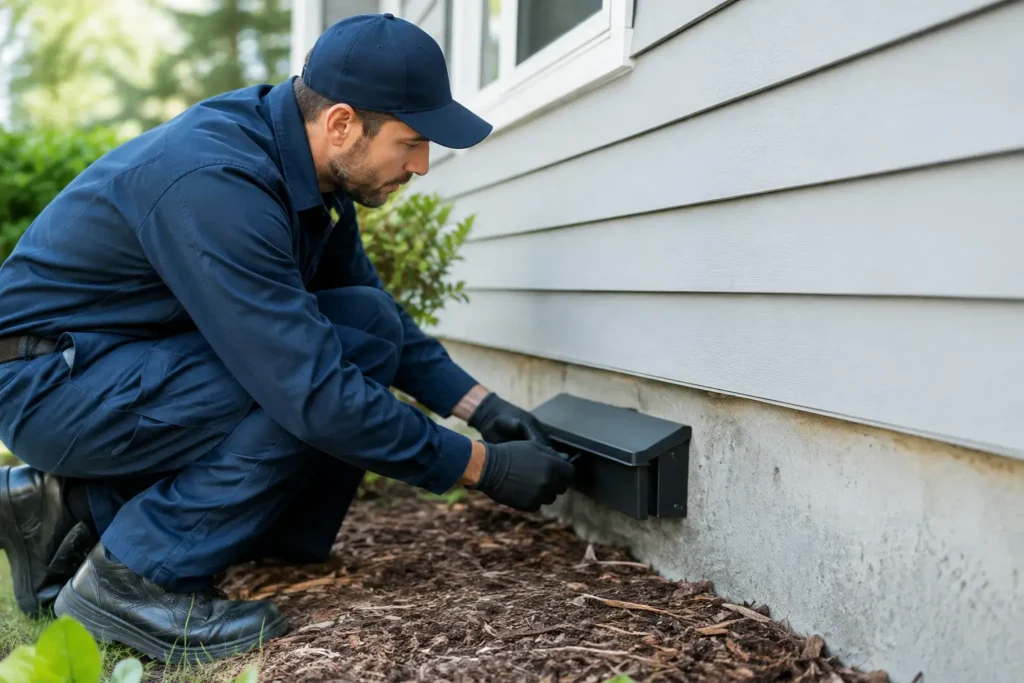
A scratching sound above the ceiling, a urine odor that will not go away, or droppings near stored boxes can turn an attic or crawlspace into a serious concern fast. If you are searching for professional rodent proofing near me, you likely need more than traps or a quick exterior patch. You need the source of the problem found, contaminated areas handled safely, and every practical entry point sealed so rodents do not return.
For homeowners, rodent proofing is not simply pest control. It is a home-protection service that addresses the condition rodents leave behind: damaged insulation, nesting material, contaminated surfaces, odors, and gaps in the structure that invite another infestation.
What Professional Rodent Proofing Near Me Should Include
Effective rodent proofing begins with a detailed inspection, not a guess from the driveway. Mice and rats can enter through small gaps around rooflines, vents, utility penetrations, crawlspace openings, damaged screens, and construction seams. A technician should inspect the attic, crawlspace, exterior, and vulnerable transition points to identify where activity is happening and how rodents are getting in.
The best plan depends on the home. An older property may have several small construction gaps, while a newer home may have a single failed vent screen or an opening around a pipe. Homes near hillsides, dense landscaping, or open areas may face more frequent rodent pressure. The goal is to close active and potential access points without restricting necessary ventilation or creating a new moisture problem.
Professional exclusion work commonly involves repairing or reinforcing vent openings, sealing gaps around pipes and utility lines, closing holes along eaves and roof intersections, and securing crawlspace access points. Materials matter. Temporary foam or loose patching can be chewed through or deteriorate outdoors. Quality rodent exclusion uses durable methods suited to the location and type of opening.
Why Traps Alone Do Not Solve a Rodent Problem
Trapping can reduce activity, but it does not repair the opening that allowed rodents inside. When entry points remain open, new rodents can replace the ones removed. This is why a home may seem quiet for a few weeks and then develop fresh droppings, new scratching noises, or renewed odor.
There is another issue homeowners often discover too late: rodents can contaminate concealed spaces long before they are seen indoors. Urine, droppings, nesting debris, and damaged insulation can remain in an attic or crawlspace after the animals are gone. That material may continue to produce odor and affect the condition of the space.
A complete service addresses both sides of the problem. First, it stops access through professional sealing and exclusion. Then it evaluates whether cleanup, sanitization, odor treatment, insulation removal, or insulation replacement is needed. This approach protects the home rather than just reducing visible signs for the moment.
Signs Your Home Needs More Than Basic Pest Control
A single mouse caught in a garage does not always mean extensive cleanup is needed. But ongoing activity in an attic, crawlspace, wall void, or insulation area deserves a closer look. Hidden contamination can be difficult to judge without a proper inspection.
Call for a professional assessment when you notice several of these conditions:
- Droppings, urine stains, or a persistent ammonia-like odor
- Scratching, scurrying, or gnawing sounds in ceilings or walls
- Torn, flattened, or soiled attic insulation
- Nests made from paper, fabric, plant material, or insulation
- Chewed wiring, wood, ducts, stored items, or plastic pipes
- Open vents, damaged screens, gaps near the roofline, or loose crawlspace access covers
Odor is especially worth taking seriously. Homeowners sometimes try deodorizing sprays or ventilation, only to find that the smell returns during warm weather or when the HVAC system runs. If the contamination source remains in the insulation or a concealed area, surface treatments will not fully solve it.
The Cleanup and Restoration Side of Rodent Proofing
Rodent droppings and nesting material should not be swept, vacuumed with a household vacuum, or handled without the right protective procedures. Disturbing dried waste can spread contaminated dust. A trained remediation crew uses appropriate protective gear and controlled removal practices to reduce exposure while clearing affected material.
The scope of cleanup varies. In a limited case, technicians may remove localized nesting debris, sanitize surfaces, and treat odor. In heavier infestations, contaminated insulation may need to be removed because it has absorbed urine, contains droppings, or has been compressed by nesting. Once the area is cleaned and sanitized, replacement insulation can restore the attic’s thermal performance.
That insulation step is not cosmetic. Damaged or contaminated insulation may no longer perform as intended, which can contribute to uncomfortable rooms and higher heating or cooling demands. Restoring the space after cleanup helps return the home to a cleaner, more functional condition.
What to Expect During a Professional Inspection
A no-obligation inspection should give you a clear picture of what is happening, not pressure you into a vague package. The technician should identify signs of rodent activity, locate likely travel routes and entry points, and assess the condition of insulation and accessible surfaces.
You should also receive an explanation of the recommended sequence of work. In many cases, exclusion must be coordinated carefully with removal or monitoring so rodents are not sealed into the structure. If contamination is present, the plan should explain what will be removed, what will be sanitized, whether odor treatment is recommended, and whether insulation replacement is necessary.
Ask direct questions. Which openings will be sealed? What materials will be used? Is the work covered by a workmanship guarantee? Will the crew photograph damaged areas or show you the findings? Clear answers are a good sign that the company is treating the issue as a restoration project, not just a quick pest-control call.
Choosing a Rodent Proofing Company in Southern California
Southern California homes face a wide range of rodent entry conditions, from aging attic vents and raised foundations to roof gaps exposed by sun and weather. Fast service matters when you have active signs, but speed should not replace a thorough inspection and a defined scope of work.
Look for a company that is licensed and insured, uses trained technicians, and can handle the full condition of the affected area. A contractor that only sets traps may require you to find another provider for attic cleanup, odor control, insulation removal, and repairs. Working with one team for inspection, cleanup, restoration, and exclusion can make the process more coordinated and accountable.
Professional Rodent Cleanup serves homeowners across selected counties in Southern California with this full-service approach. The focus is not merely on getting rodents out. It is on removing contamination, restoring affected insulation when needed, and sealing the vulnerabilities that allowed the problem to start.
Do Not Wait for the Damage to Spread
Rodents reproduce quickly, and a small access point can become a larger repair issue over time. The longer activity continues, the more likely you are to see increased contamination, stronger odor, damaged insulation, and greater concern about air quality inside the home.
If you are hearing activity overhead, smelling urine, or finding evidence in the attic or crawlspace, schedule a professional inspection before the issue becomes harder to restore. A careful exclusion and cleanup plan gives you a practical path back to a clean, sanitized, insulated, and rodent-resistant home.