
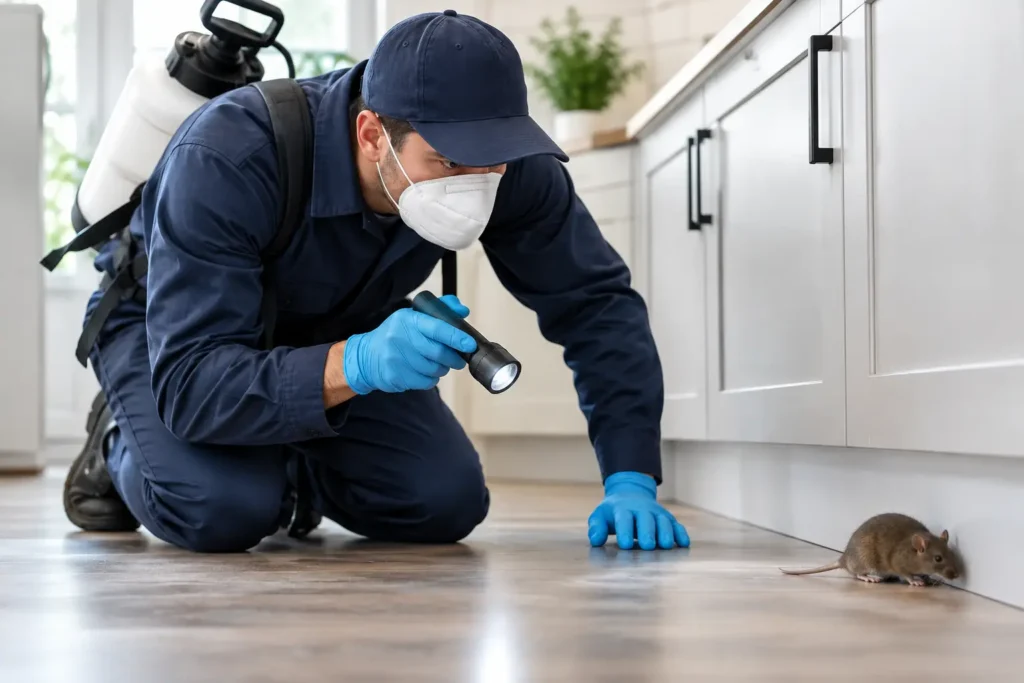
A rodent problem does not end when the scratching stops. Droppings, urine, nesting debris, damaged insulation, and open entry points can remain hidden above ceilings and beneath floors. Professional Rodent cleanup addresses what rodents leave behind, not just the animals themselves, so your home can be clean, sanitized, properly insulated, and protected from another infestation.
For homeowners, especially in older Southern California homes, the attic or crawlspace can become a quiet source of odors, air-quality concerns, and rising energy costs. The right response is not a quick spray, a few traps, or covering up the smell. It is a complete restoration plan built around safe removal, detailed sanitization, insulation repair, and lasting exclusion.
Why Rodent Contamination Needs More Than Pest Removal
Pest control may remove active rodents, but it does not automatically remove contaminated materials. Rodents can urinate repeatedly along travel paths, nest inside insulation, chew wiring, and leave droppings in areas that are difficult to access safely. Those materials can continue to create odors and concerns long after the rodents are gone.
Attics and crawlspaces are particularly vulnerable because they are dark, rarely inspected, and often contain insulation that rodents can shred or compress. Once insulation is contaminated, it may no longer perform as intended. Your heating and cooling system may have to work harder, while odors and contaminants can affect the air moving through the home.
There is also a reinfestation issue. If gaps around rooflines, vents, utility lines, crawlspace openings, or exterior trim remain open, new rodents can use the same routes. A cleanup without exclusion can leave a homeowner paying twice for the same problem.
What Professional Rodent Cleanup Should Include
A complete service begins with an inspection, not a guess. A trained technician should identify the type and extent of activity, locate likely access points, evaluate insulation damage, and determine whether contamination is confined to one area or spread across the attic or crawlspace.
The scope of work depends on the condition of the property. A small, recent issue may require targeted removal and sanitization. A long-term infestation may call for removal of heavily contaminated insulation, nesting materials, and debris throughout the affected area. The goal is to remove the source of the problem rather than simply deodorize around it.
Safe Removal of Contaminated Materials
Rodent waste should not be swept, vacuumed with ordinary household equipment, or handled without proper protection. Disturbing dried droppings and nesting material can release particles into the air. Professional technicians use appropriate protective gear and controlled removal methods to help contain the affected material.
When insulation is heavily soiled, matted down, or filled with nesting debris, removal is often the most responsible option. Keeping contaminated insulation to save money can be tempting, but it may preserve odors and leave behind material that no longer insulates effectively. An honest inspection helps determine whether spot treatment is reasonable or full removal is the better long-term choice.
Sanitization and Odor Treatment
Removing visible debris is only part of remediation. Urine can soak into insulation, wood framing, and other porous materials, creating odors that become more noticeable on warm days or when the HVAC system is running.
After contaminated material is removed, affected surfaces should be treated with professional-grade sanitizing and odor-control products. This process is designed to address residue left in hidden areas, not mask it with fragrance. If odors have penetrated deeply into structural materials, additional treatment may be needed. The right solution depends on the amount of activity, the length of the infestation, and the materials affected.
Insulation Restoration
Insulation is not decorative. It helps regulate indoor temperatures and supports the efficiency of your home. Rodents can tunnel through it, flatten it, saturate it with urine, and use it to build nests. Even if it looks acceptable from a distance, compromised insulation may no longer provide consistent coverage or thermal performance.
Once cleanup and sanitization are complete, replacement insulation can restore the attic or crawlspace to a cleaner, more energy-efficient condition. The proper amount and type of insulation will depend on the space, local building requirements, and the home’s existing setup. A professional should explain what needs replacement and why, rather than treating insulation as an automatic add-on.
Exclusion That Locks Rodents Out
Exclusion is the step that protects the work. Technicians inspect exterior vulnerabilities and seal the openings rodents use to enter. These can include gaps at fascia boards, attic vents, pipe penetrations, roof returns, crawlspace vents, and areas where older construction has shifted or deteriorated.
Effective exclusion is more detailed than stuffing a visible hole with temporary material. It requires durable repairs that account for rodent behavior and the specific design of the home. In some cases, access points are obvious. In others, they are high along the roofline or hidden behind utility equipment. That is why a full exterior inspection matters.
Signs It Is Time to Schedule an Inspection
You do not need to see a rodent to have an active or recent contamination issue. A persistent musky or ammonia-like odor, scratching sounds overhead, droppings near storage areas, torn insulation, chewed materials, or debris around vents can all point to activity in concealed spaces.
Homeowners should also pay attention to changes that seem unrelated at first. A room that suddenly feels harder to cool, an unexplained odor that worsens in heat, or insulation visible near an attic access opening may indicate a problem above the ceiling. Crawlspace issues can show up as odors near lower floors, damaged ductwork, or signs of activity around foundation vents.
Do not wait for visible damage to spread through living areas. Early inspection can limit the amount of material that must be removed and help prevent rodents from causing further damage.
Why DIY Cleanup Can Create More Problems
A homeowner can place traps or seal one obvious crack, but hidden contamination is a different type of job. Attics can have unstable footing, exposed wiring, tight access, sharp debris, and insulation that makes it difficult to see where contamination begins and ends. Crawlspaces bring their own challenges, including limited clearance and moisture.
DIY cleanup also tends to focus on what is visible near the access point. Rodents rarely confine their activity to one small area. They travel along framing, behind stored items, near ducts, and through insulation. Missing those pathways can leave odor sources and contaminated materials in place.
There is a trade-off to consider. Minor, clearly contained debris may seem manageable, but a professional assessment is often the safer choice when there are strong odors, widespread droppings, damaged insulation, or evidence of long-term activity. The cost of doing the work thoroughly is often lower than repeating incomplete cleanup after rodents return.
A Clear Path Back to a Cleaner Home
At Professional Rodent Cleanup, the restoration process is built around the condition of your home: inspect the affected spaces, remove contaminated materials, sanitize and treat odors, restore insulation where needed, and seal the entry points that allowed rodents inside. This complete approach helps homeowners avoid the frustration of solving only half the problem.
For homes in Los Angeles, Ventura, Orange, Riverside, and San Bernardino counties, fast action matters when contamination is suspected. Same-day availability and emergency response can be especially valuable when a strong odor, extensive attic damage, or active animal activity is disrupting your household.
Before approving any work, ask what will be removed, how the area will be sanitized, whether insulation needs replacement, and exactly which entry points will be sealed. A dependable provider should give you clear answers and stand behind the exclusion work with a workmanship guarantee.
A clean attic or crawlspace should not remain a question mark above or below your family’s living space. Schedule an inspection when you notice the signs, get a clear plan, and give your home the protection it needs to stay rodent-resistant.