
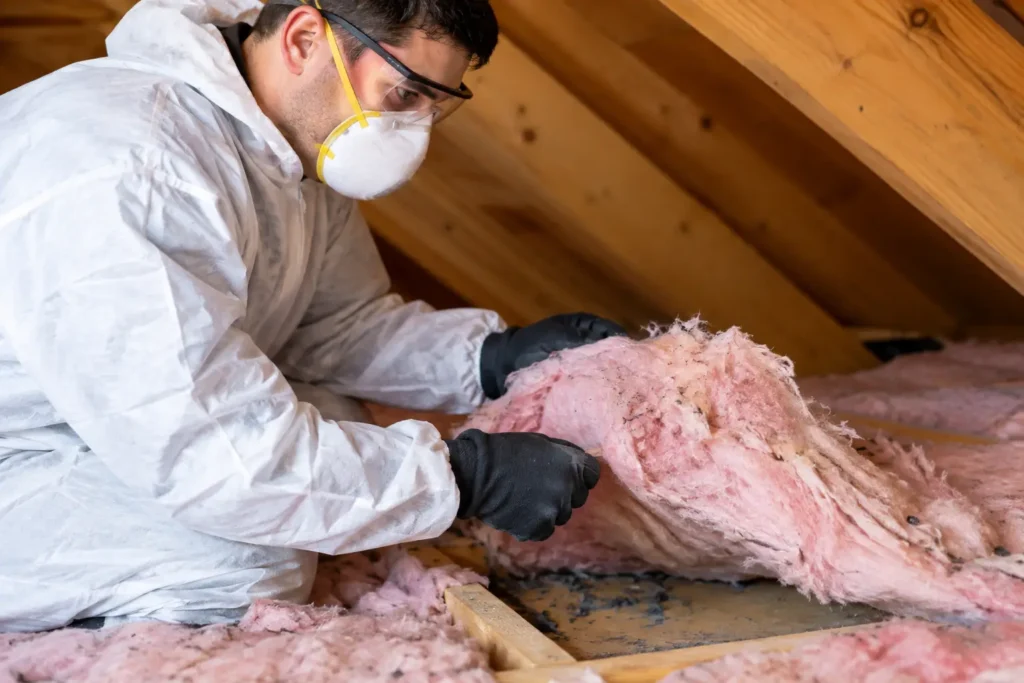
A few droppings near an attic access panel can point to a much larger problem overhead. Rodents do not stay neatly contained in one corner. They travel through insulation, leave urine trails, build nests, and crush the material meant to protect your home from heat and cold. Rodent Insulation Removal is the process of taking out insulation that has been contaminated or damaged, then restoring the space so it is clean, properly insulated, and protected against another infestation.
For homeowners, the decision is rarely about appearance alone. Contaminated attic or crawlspace insulation can hold odor, reduce energy performance, and expose the home to rodent waste that should be handled with the right protective measures. The right response is not simply setting traps and hoping the smell fades. It is a complete cleanup and restoration plan.
What Rodents Do to Attic and Crawlspace Insulation
Insulation is an easy place for rats and mice to hide. Fiberglass batts and blown-in insulation give them cover, warmth, and material for nesting. As activity continues, rodents tunnel through it, flatten it, mix nesting debris into it, and contaminate it with droppings and urine.
That damage can affect more than the attic. Air from attic and crawlspace areas can move into living spaces through gaps around recessed lights, ceiling penetrations, ductwork, wall cavities, and access hatches. When contamination and odor are left in place, homeowners may notice a musty animal smell, especially during warm weather or when the HVAC system is running.
Damaged insulation also stops doing its job. Compressed, displaced, or heavily soiled material may no longer provide its intended thermal resistance. That can contribute to hotter rooms, colder rooms, and higher heating or cooling costs. In Southern California, attic heat can be especially punishing when insulation has been disturbed by rodents.
When Rodent Insulation Removal Is the Right Call
Not every rodent sighting means all insulation must be removed. A professional inspection should determine the extent of the activity, the type of insulation, the affected area, and whether contamination is isolated or widespread. Small, recent activity in an accessible area may call for targeted cleanup. Long-term infestation is a different situation.
Removal is commonly recommended when technicians find widespread droppings, strong urine odor, nesting throughout the attic or crawlspace, visible tunneling, or insulation that has been saturated, flattened, or mixed with debris. It may also be necessary when rodents have died in concealed areas or when old insulation has already lost much of its performance.
The trade-off is straightforward: partial removal can cost less when contamination is truly limited, but it should not leave odor sources or affected material behind. Full removal is often the better long-term solution when evidence shows rodents have traveled broadly through the space. A thorough inspection prevents homeowners from paying for more work than needed while avoiding the false economy of an incomplete cleanup.
Why Cleanup Requires More Than a Vacuum
Rodent waste is not ordinary household dirt. Disturbing dry droppings, nesting material, and contaminated insulation without proper containment and personal protective equipment can create unnecessary exposure concerns. It can also spread debris into areas that were previously unaffected.
Professional cleanup starts with protecting the work area and using appropriate safety procedures. Technicians wear full protective gear, remove contaminated insulation and nesting material, and collect waste for proper disposal. The attic or crawlspace is then treated with professional-grade sanitizing products designed for rodent-contaminated environments.
Odor treatment matters because urine can remain in wood framing, subflooring, duct surfaces, and other porous materials even after insulation is gone. Depending on the conditions, the cleanup plan may include odor neutralization and targeted treatment of affected surfaces. The goal is not to cover the smell with fragrance. It is to address the source.
The Complete Rodent Insulation Removal Process
A reliable restoration project follows a clear sequence. Removing insulation before addressing active rodent access can leave the new material vulnerable. Sealing entry points without cleaning contamination leaves the health, odor, and air-quality problem behind.
1. Inspect the Entire Affected Area
The process begins with a no-obligation inspection of the attic, crawlspace, exterior entry points, and visible signs of activity. Technicians look for droppings, urine staining, nests, gnaw marks, rub marks, damaged vents, gaps at rooflines, utility penetrations, and openings around crawlspace vents or foundations.
This inspection also helps identify whether the problem is current or old. Fresh droppings, recent nesting, and active noise often signal that rodent control and exclusion need immediate attention before restoration begins.
2. Remove Contaminated Materials Safely
Once the scope is clear, contaminated insulation, rodent waste, nests, and debris are removed from the affected areas. Technicians should take care not to damage wiring, ductwork, recessed fixtures, or structural components hidden beneath the insulation.
This stage is especially valuable in older homes, where attic insulation may have accumulated years of dust, debris, and previous pest activity. Clearing the space exposes conditions that may otherwise stay hidden, including chewed wiring, damaged duct connections, moisture concerns, or additional entry points.
3. Sanitize and Treat Odor Sources
After removal, the exposed surfaces can be cleaned and sanitized. This is where a restoration-focused company differs from a basic pest-control visit. Traps can reduce rodent activity, but they do not sanitize urine-contaminated framing or remove nesting material buried in insulation.
The appropriate treatment depends on the level of contamination and the materials involved. A careful assessment matters because wood, concrete, ducting, and crawlspace subfloors may respond differently. The objective is a genuinely cleaner environment, not a quick cosmetic fix.
4. Seal Rodent Entry Points
Exclusion is the step that protects the work. Mice can fit through surprisingly small gaps, while rats can exploit damaged vents, loose construction joints, roofline openings, and unprotected utility penetrations. If those routes remain open, rodents can return and contaminate the restored space again.
Professional exclusion focuses on durable repairs and sealing methods appropriate to the entry point. It may include reinforcing vents, closing structural gaps, sealing penetrations, and repairing vulnerable exterior access areas. A strong workmanship guarantee adds meaningful peace of mind because the job is designed to lock rodents out for good.
5. Install Replacement Insulation When Needed
New insulation is installed after cleanup and exclusion are complete. The correct material and insulation level depend on the home, the existing construction, and the area being restored. The goal is consistent coverage without gaps, compression, or missed areas that can reduce performance.
Replacement insulation helps restore the attic or crawlspace as part of the home’s thermal barrier. For homeowners who have dealt with hot upstairs bedrooms, uneven temperatures, or rising utility bills, this final step can make the restoration feel complete.
Signs You Should Schedule an Inspection Now
Do not wait for a visible rodent in the kitchen to take attic activity seriously. An inspection is a smart next step if you smell persistent urine or a dead-animal odor, find droppings near the attic access, hear scratching at night, notice insulation falling from attic openings, or see exterior vents that are damaged or unsecured.
Other warning signs include gnawed materials, greasy rub marks along walls or pipes, unexplained dust or debris around ceiling fixtures, and rooms that suddenly feel harder to heat or cool. These symptoms do not always confirm a rodent problem, but they deserve a professional look.
What Homeowners Should Avoid
Avoid sweeping or vacuuming dry rodent droppings with ordinary household equipment. Do not pull out contaminated insulation without protective gear, and do not assume a few traps resolve the underlying issue. Rodents may still be entering through exterior gaps, and hidden contamination can remain long after activity appears to stop.
It is also wise to avoid placing new insulation over old contaminated insulation. That may hide the problem temporarily, but it does not remove waste, nesting material, or odor sources. It can make later cleanup more difficult and leave your home’s insulation performance compromised.
Professional Rodent Cleanup provides homeowners across Los Angeles, Orange, Ventura, Riverside, and San Bernardino counties with inspection, cleanup, sanitization, insulation replacement, and exclusion work in one coordinated service. With trained technicians, same-day availability when possible, and a lifetime workmanship guarantee on exclusion work, the focus stays on restoring the home rather than applying a temporary pest-control patch.
A clean attic or crawlspace should not come with uncertainty about what is still hiding beneath the insulation. If rodent activity has left behind droppings, odor, nests, or damaged material, a professional inspection can give you a clear path back to a cleaner, safer, properly insulated home.
One Response