
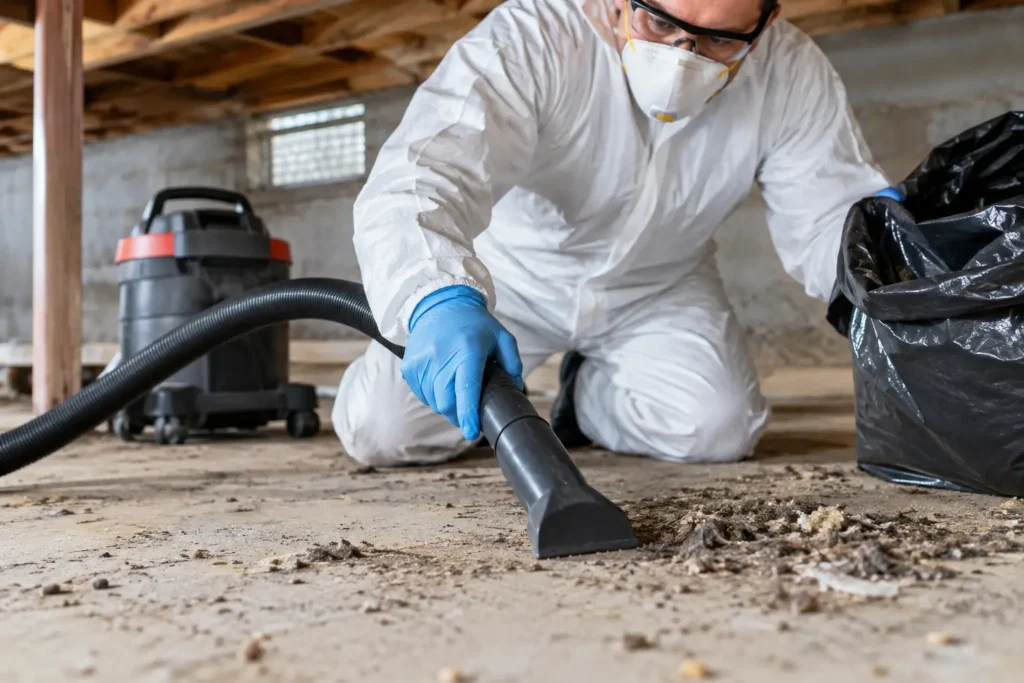
A crawlspace or basement can hide a serious rodent problem long after the scratching stops. Crawlspace & Basement cleaning is not simply sweeping up droppings or placing a few traps. When rodents have lived below your home, they can leave urine, feces, nesting debris, damaged insulation, and persistent odors in an area connected to your indoor air.
That calls for a complete restoration approach: identify how rodents entered, remove contaminated materials safely, sanitize affected surfaces, restore insulation where needed, and seal access points so the problem does not return. For homeowners, the goal is straightforward – a clean, healthy, rodent-resistant home.
Why Rodent Contamination Below a Home Needs Attention
Crawlspaces and basements are appealing shelter for rodents. They are dark, quiet, and often contain accessible insulation, plumbing penetrations, foundation gaps, stored materials, or open vents. A small entry point is all a mouse or rat needs to establish a nesting area.
Once activity begins, contamination can build up out of sight. Droppings and urine may collect along framing, ductwork, vapor barriers, insulation, and stored items. Nesting material can block ventilation or conceal additional damage. In some cases, rodents chew wiring, disturb duct connections, or tear apart insulation that was helping control your home’s temperature.
The concern is not limited to what you can see from the access hatch. Air naturally moves through a home, and odors or airborne particles from a contaminated crawlspace can affect the living areas above. Families may notice a stale or ammonia-like smell, worsening allergies, or an odor that returns even after surface cleaning upstairs.
Signs You May Need Crawlspace & Basement Cleaning
A strong urine odor is one of the clearest warnings, especially when it becomes more noticeable near floor vents, utility rooms, or lower levels of the home. Droppings, shredded insulation, nesting material, grease marks along pipes or walls, and gnawed wood or wiring also point to active or previous rodent activity.
Some signs are less obvious. You may hear movement under the floor at night, see insulation falling from crawlspace subflooring, or notice that rooms are harder to heat or cool. A sudden increase in energy bills can be related to many issues, but insulation disturbed by rodents is worth investigating.
Even if the rodents are gone, cleanup may still be necessary. Old contamination can continue producing odors and may leave the area unsuitable for proper insulation performance. Trapping alone does not remove the waste, nesting materials, or compromised insulation left behind.
What Professional Cleanup Actually Involves
A proper cleanup begins with an inspection of the affected area and the exterior conditions that allowed access. Technicians look for entry points around foundation vents, utility lines, roof transitions, gaps beneath siding, damaged screens, and other vulnerable locations. This matters because cleaning without exclusion can leave your home open to immediate reinfestation.
The remediation process is then tailored to the extent of contamination. Light, isolated activity may require targeted removal and sanitization. Heavier infestations can require removal of damaged insulation, nesting debris, contaminated vapor barrier material, or affected stored items. The right scope depends on what is present, how long activity has continued, and whether odors or insulation damage extend throughout the area.
1. Containment and Protected Removal
Rodent waste should not be dry-swept or vacuumed with ordinary household equipment. Disturbing contaminated materials without the right controls can spread particles into the air. Professional crews use protective gear and appropriate removal methods to collect droppings, nesting materials, and damaged insulation safely.
In a crawlspace, access can be limited and conditions can be difficult. A trained team is equipped to work through low-clearance areas without tracking contamination into clean parts of the home. Materials are bagged and removed rather than left in the area for later disposal.
2. Sanitization and Odor Treatment
After contaminated debris is removed, affected surfaces need more than a fragrance spray. Professional sanitization treats the areas where rodents traveled, nested, and urinated. This helps address contamination at the source and reduces the odors that can linger in enclosed spaces.
Odor treatment is especially important when urine has reached porous insulation, wood framing, or soil and vapor-barrier surfaces. The best approach depends on the materials involved. Severely contaminated insulation usually needs removal because it cannot reliably be restored through a surface treatment alone.
3. Insulation Restoration
Rodents often flatten, shred, soil, or tunnel through insulation. That damage can reduce its ability to hold conditioned air inside your home. Replacing contaminated or ineffective insulation is not just a cosmetic improvement – it helps restore the comfort and energy performance of the space above.
A responsible restoration plan should address the condition of the existing insulation rather than automatically recommending a full replacement. If contamination is contained to one section, targeted removal may be appropriate. If activity has spread throughout the crawlspace or basement ceiling, broader replacement may provide the cleaner, longer-lasting result.
4. Exclusion That Helps Keep Rodents Out
Cleanup without rodent-proofing is an incomplete fix. Rodents are persistent, and they will often return through the same gap if it remains available. Exclusion work identifies and closes practical entry points using durable materials suited to the location.
This may include securing vents, sealing utility penetrations, repairing foundation gaps, and reinforcing vulnerable exterior transitions. The objective is not merely to move rodents elsewhere for a few days. It is to lock rodents out for good while restoring the concealed area they damaged.
Why DIY Cleanup Can Create Bigger Problems
Homeowners are understandably tempted to clean visible droppings themselves, particularly if the affected area seems small. The risk is that visible evidence rarely shows the full extent of the issue. Rodents nest behind insulation, inside wall cavities, around ductwork, and along the edges of crawlspaces where access is difficult.
Household cleaning methods can also leave odor sources and contaminated porous materials behind. Sprays may temporarily mask smells without addressing urine-soaked insulation or nesting debris. More importantly, sealing gaps before confirming that rodents are out can trap animals inside the structure and create a new problem.
Professional cleanup is particularly valuable when there is a strong odor, substantial droppings, damaged insulation, a dead animal, recurring rodent activity, or a crawlspace that has not been inspected in years. These situations require a plan that protects both the home and the people living in it.
What to Expect From a Complete Restoration Visit
A qualified rodent cleanup company should explain what it finds in plain language and show you the conditions that need attention. You should know whether the issue is active, where entry points are located, which materials are contaminated, and what work is necessary to restore the area.
At Professional Rodent Cleanup, the process is built around a free, no-obligation property inspection followed by clear recommendations for removal, sanitization, insulation restoration, and exclusion. Homeowners in Southern California should not have to coordinate separate pest, cleaning, and repair providers while contamination remains below the house.
Fast scheduling matters when odors, contamination, or active rodents are affecting your home. But the quality of the final repair matters just as much. Ask whether the company uses trained technicians, carries proper insurance, handles disposal, addresses entry points, and stands behind its exclusion workmanship.
A Cleaner Space Starts With the Right First Step
Do not wait for a crawlspace or basement odor to become part of daily life, or for small signs of rodent activity to turn into widespread insulation damage. A professional inspection can establish what is happening below your home and give you a practical path back to clean air, restored insulation, and lasting protection.