
A few droppings in the attic can point to a much bigger problem overhead. Rodent clean up and repair is not simply sweeping away visible evidence or setting a few traps. It means removing contaminated materials, sanitizing the affected space, restoring damaged insulation, and closing the openings rodents used to get inside.
When contamination is left behind, odors can linger, insulation can lose its effectiveness, and rodents may return through the same vulnerable access points. Homeowners deserve a solution that addresses the full condition of the home – not a temporary pest-control fix.
Why Rodent Contamination Needs More Than Pest Removal
Rodents do not stay neatly contained in one corner of an attic or crawlspace. As they travel, they leave urine, droppings, nesting material, oils, and debris across insulation, framing, ductwork, and stored items. In many homes, the greatest damage is hidden beneath loose-fill insulation or inside hard-to-reach crawlspace areas.
The result can be more than an unpleasant smell. Contaminated materials may affect indoor air quality, while chewed wiring, damaged ducting, and compressed insulation can create costly property concerns. Insulation saturated with urine or packed down by nesting activity may no longer perform as intended, allowing conditioned air to escape and making the home harder to heat or cool.
Removing rodents is necessary, but it does not reverse the damage they leave behind. A home can be rodent-free and still contain contaminated insulation, lingering odor sources, and open entry points that invite the next infestation.
What Professional Rodent Clean Up and Repair Includes
A complete restoration begins with a detailed inspection. The goal is to identify where activity occurred, how widespread the contamination is, what materials need to be removed, and how rodents gained access. Attics and crawlspaces often have multiple entry points, especially in older Southern California homes with aging vents, utility penetrations, roof gaps, or deteriorating exterior details.
Safe Removal of Contaminated Materials
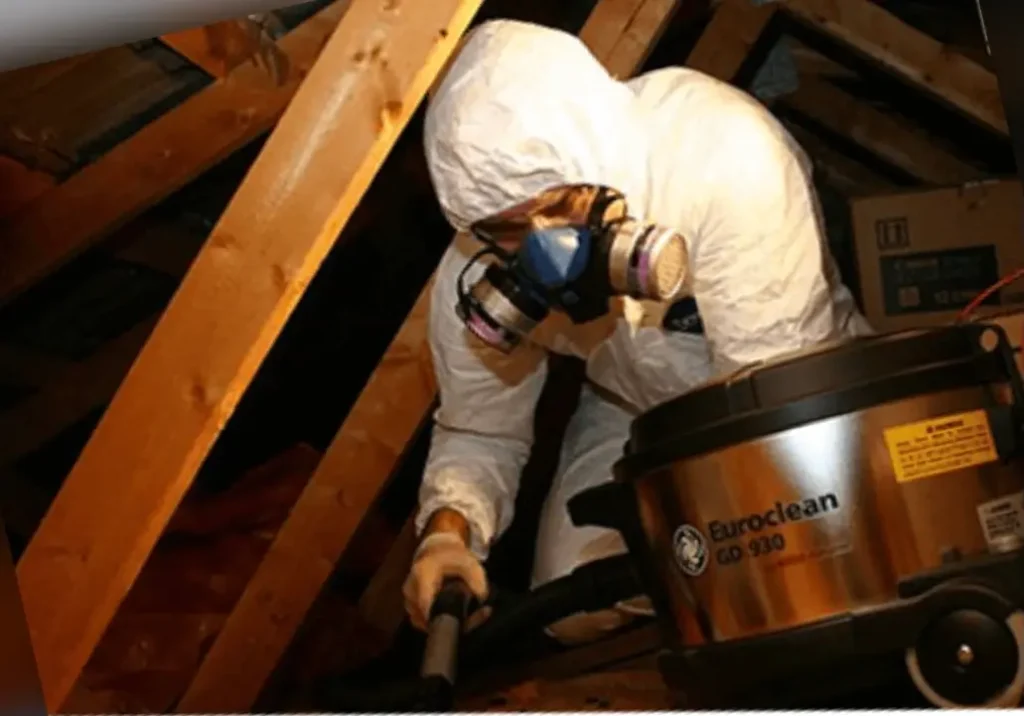
Droppings, nesting debris, and contaminated insulation should not be disturbed casually. Professional technicians wear full protective gear and use controlled removal methods to reduce unnecessary exposure and prevent contaminated debris from being spread through the home.
In some cases, only isolated areas need attention. In others, widespread rodent activity calls for removal of large sections of insulation or a complete attic or crawlspace cleanout. The right scope depends on the amount of contamination, the age and condition of insulation, odor severity, and whether nesting material has been distributed throughout the space.
Sanitization and Odor Treatment
After contaminated material is removed, affected surfaces need targeted sanitization. This step helps address residue left on framing and other accessible structural surfaces. Odor treatment is equally important because urine odors can remain long after rodents are gone, particularly during warm weather when attic temperatures rise.
A proper cleanup does not mask odors with fragrance. It addresses the source by removing affected insulation and debris, then treating the areas where contamination occurred. That distinction matters to families who want their home to feel clean again, not temporarily covered up.
Insulation Repair and Replacement
Insulation is one of the most frequently overlooked parts of rodent damage. Rodents tunnel through it, flatten it, use it for nests, and contaminate it with urine and droppings. Once insulation is compromised, it may no longer provide consistent thermal protection.
Replacement insulation restores the protective layer between living spaces and extreme attic or crawlspace temperatures. The proper material and depth depend on the home, the space being restored, and local energy-performance needs. A professional assessment helps determine whether spot replacement is practical or whether a full insulation installation offers the better long-term result.
Exclusion That Locks Rodents Out for Good
Cleanup without exclusion leaves the door open to another infestation. Rodents can enter through surprisingly small gaps around pipes, vents, rooflines, crawlspace openings, and utility connections. A lasting repair plan finds those vulnerabilities and seals them with durable materials suited to the location.
This is where a restoration-focused service differs from basic trapping. Traps can remove active rodents, but they do not repair a damaged vent screen or close a gap at the roofline. Effective exclusion removes the conditions that allowed the problem to begin.
Why Cleanup Should Come Before Cosmetic Repairs
It can be tempting to patch a hole, replace a vent cover, or add fresh insulation right away. But repairing over contamination can trap odor sources and make later cleanup more difficult. The affected space should be assessed and cleaned first, then repaired and insulated once it is sanitary and ready for restoration.
The same principle applies to drywall, ductwork, and wiring concerns. If rodents have caused visible damage, the area should be evaluated for contamination and active entry points before cosmetic repairs are completed. Otherwise, a homeowner may pay to fix damage only to find new activity a few months later.
A careful sequence protects the investment: remove contamination, sanitize affected surfaces, repair damage, replace insulation as needed, and seal access points. Each stage supports the next.
What to Expect During a Professional Cleanup
The process should feel organized, not disruptive or uncertain. After an inspection, homeowners should receive a clear explanation of the findings, the recommended work, and what restoration will involve. A professional crew isolates the work area as appropriate, wears protective equipment, removes contaminated materials, and performs the needed sanitization and repairs.
The length of the project depends on the size of the attic or crawlspace, the extent of contamination, and whether insulation replacement or extensive exclusion work is needed. A small, localized cleanup may be completed quickly. A heavily affected attic with damaged insulation and multiple entry points requires more involved restoration.
Before work begins, ask whether the plan includes both cleanup and exclusion. Also ask how contaminated insulation will be handled, whether odor treatment is included, and what workmanship protection applies to entry-point repairs. Clear answers help prevent the common frustration of hiring separate providers for pest removal, cleanup, insulation, and sealing.
Signs You Should Schedule an Inspection
A strong urine odor near attic access points, visible droppings, scratching sounds, shredded insulation, nests, chewed wiring, and damaged exterior vent screens all warrant attention. You may also notice rising energy bills or rooms that are harder to keep comfortable, particularly if insulation has been disturbed or compressed.
Do not assume the problem is minor because activity appears limited. Attics and crawlspaces hide a great deal from view, and rodents are often most active in areas homeowners rarely enter. A no-obligation inspection can identify whether there is active infestation, old contamination, damaged insulation, or an exterior vulnerability that needs repair.
For homeowners in Los Angeles, Ventura, Orange, Riverside, and San Bernardino counties, Professional Rodent Cleanup provides a complete path from inspection through sanitization, insulation restoration, and exclusion. Same-day availability and emergency response can be especially valuable when fresh activity, strong odors, or suspected damage cannot wait.
A Clean Home Starts With a Complete Fix
Waiting allows odors, contamination, and property damage to become harder to address. If you have found signs of rodents, focus on the full condition of the space: what was contaminated, what needs restoration, and how the home will be sealed against future entry. A clean, sanitized, properly insulated, rodent-resistant home is the result worth protecting.