
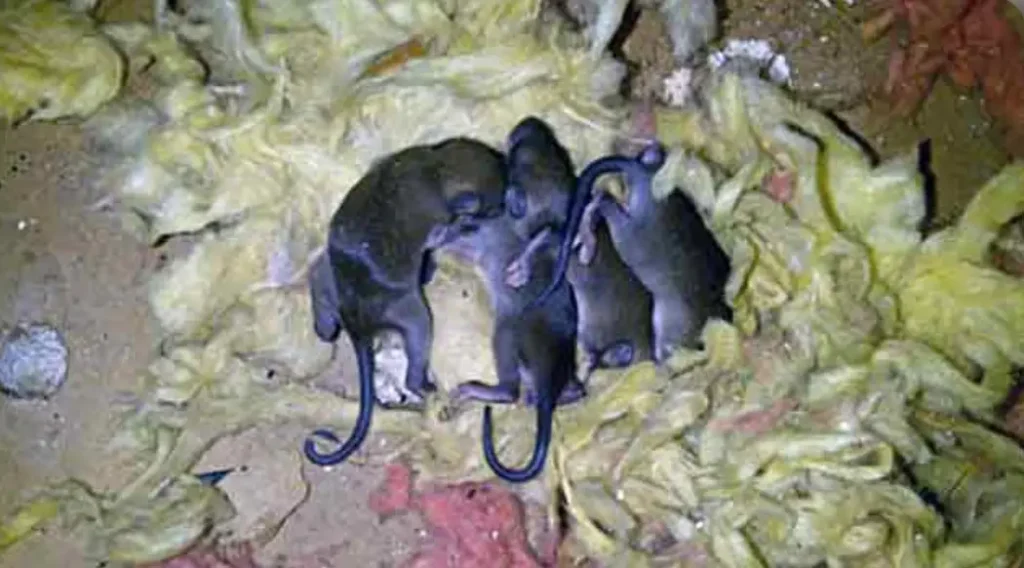
A few droppings near the water heater or a scratching sound overhead can point to a much larger problem. Rodent control and restoration is not simply about getting animals out of the house. It is the process of removing the contamination they leave behind, restoring damaged insulation and materials, addressing odors, and closing the openings that let rodents return.
For homeowners, especially those with activity in an attic or crawlspace, the difference matters. A trap may catch a rodent. It does not remove urine-soaked insulation, sanitize nesting areas, improve compromised air quality, or protect the home from the next infestation. A complete response treats the home itself, not just the animal activity.
Why Rodent Activity Becomes a Restoration Issue
Rodents often live where homeowners rarely look: behind walls, under flooring, in crawlspaces, and throughout attic insulation. These areas can conceal droppings, urine trails, nesting debris, chewed materials, and entry routes for months before the problem becomes obvious.
Contamination can affect more than the appearance of a storage area. Disturbed droppings and nesting materials may release particles into the air. Urine can leave a persistent odor that travels through ceiling penetrations, duct openings, and gaps around fixtures. When insulation is heavily contaminated or compressed by nesting, it can also lose its ability to regulate indoor temperatures efficiently.
Rodents may also chew wiring, wood, duct materials, and plumbing components. Not every infestation causes extensive structural damage, but waiting increases the chance that a contained issue becomes a broader repair project. If you smell ammonia-like odors, notice droppings, hear movement at night, see gnaw marks, or find damaged insulation, do not assume a few traps will solve the whole problem.
Rodent Control and Restoration Work Best Together
Effective rodent work follows a clear order. First, the home needs to be inspected to identify active signs, contamination levels, insulation condition, and likely entry points. Then the affected area can be cleaned and restored while exclusion work stops new rodents from entering.
This sequence is essential. Cleaning an attic before access points are sealed can leave the space vulnerable to reinfestation. Sealing a home without addressing contaminated materials can trap unpleasant odors and leave health concerns unresolved. A complete plan handles both sides of the problem.
1. Inspection identifies what is hidden
A professional inspection should look beyond visible droppings. Technicians assess the attic, crawlspace, garage, roofline, vents, exterior gaps, utility penetrations, and other vulnerable areas. They look for rub marks, nesting, tracks, chewed openings, damaged screens, and gaps around pipes or cables.
The inspection also helps determine whether insulation can remain in place or should be removed. A small, isolated issue may require targeted cleanup. Extensive contamination, widespread nesting, or urine saturation often calls for removal and replacement. The right scope depends on the actual condition of the area, not a one-size-fits-all package.
2. Contaminated material is removed safely
Rodent-contaminated insulation and nesting material should not be handled casually. Proper cleanup requires protective gear, controlled removal methods, and careful containment so debris is not tracked through living spaces.
In an attic, this may involve removing affected insulation, bagging debris, and clearing nesting materials from corners, around ducts, and near framing. In a crawlspace, technicians may need to work around low clearances, moisture issues, and exposed mechanical systems. These are difficult environments to clean thoroughly without the right equipment and training.
Homeowners should avoid sweeping or vacuuming dry droppings with a standard household vacuum. That can stir particles into the air and spread contamination beyond the original area. Professional cleanup is designed to remove the source with greater control.
3. Sanitization addresses what removal alone cannot
Once contaminated materials are removed, the affected surfaces need to be treated. Sanitization is not a cosmetic step. It helps address residue left on framing, subflooring, pipes, and other hard surfaces where rodents traveled or nested.
Odor treatment may also be needed, particularly when urine has been present over time. The goal is to reduce the conditions that make an attic, crawlspace, or wall cavity continue to smell contaminated after visible debris is gone. Results depend on how deeply urine has penetrated porous materials, which is another reason damaged insulation sometimes must be replaced rather than simply sprayed.
4. New insulation restores comfort and performance
Insulation is easy to overlook because it is out of sight. Yet it plays a major role in indoor comfort and energy efficiency. Rodents can compress insulation into nests, tunnel through it, soil it with waste, or pull it apart for nesting material.
Replacing compromised insulation can restore more than a clean appearance. It can improve the home’s thermal barrier, help rooms stay more consistent in temperature, and give homeowners confidence that the attic or crawlspace is no longer holding contaminated material. The recommended insulation type and amount should fit the space, local building requirements, and the condition of the home.
5. Exclusion locks rodents out for good
Exclusion is the long-term protection piece. Rodents can fit through surprisingly small gaps, and homes have many potential access points: roof returns, attic vents, crawlspace vents, damaged screens, utility openings, gaps at siding transitions, and openings near HVAC or plumbing lines.
A proper exclusion plan identifies these routes and seals them with durable materials suited to the location. It is not enough to cover one obvious hole while leaving multiple gaps around the exterior. The work should protect airflow where needed while preventing rodents from using vents or openings as an easy entrance.
This is where basic pest removal often falls short. Removing the current rodents without sealing access points may provide only temporary relief. A restored home should be clean, sanitized, insulated where necessary, and difficult for rodents to re-enter.
When to Call for Professional Help
Homeowners often call after seeing a rodent, but visible sightings are not the only reason to act. A professional inspection is warranted when odors persist near the attic or crawlspace, insulation is scattered or flattened, droppings keep appearing, or scratching is heard after dark.
It is also wise to act quickly after a water leak or storm damages vent screens, roof edges, or exterior siding. These events can create new entry routes. Older homes may have long-standing gaps around additions, pipes, and utility lines that have gone unnoticed for years.
If someone in the household has respiratory sensitivities, young children, or concerns about indoor air quality, avoid delaying a contamination assessment. The goal is not to create alarm. It is to prevent a concealed condition from continuing to affect the home.
What a Complete Restoration Visit Should Deliver
A quality provider should explain what they found, what needs immediate attention, and why. You should understand whether activity is current or old, how widespread the contamination is, whether insulation requires removal, and which entry points will be sealed.
Look for a plan that includes cleanup, sanitization, insulation restoration when needed, and exclusion work. Ask how the crew protects living areas during removal, how odor concerns are addressed, and what workmanship guarantee applies to the sealing work. Licensed, insured technicians and clear documentation help homeowners make decisions with confidence.
For Southern California homeowners, fast service can be especially valuable when attic heat, confined crawlspaces, or recurring rodent activity make the situation more stressful. Professional Rodent Cleanup provides inspections and a full restoration approach designed to return affected spaces to a cleaner, safer condition while helping prevent repeat entry.
Protect the Home You Live In
Rodent contamination does not need to become a permanent part of your attic or crawlspace. The right response removes the damaged material, treats the affected area, restores insulation performance, and closes the gaps rodents use to get inside.
If you have noticed signs of activity, schedule an inspection before the issue spreads into more areas of the home. A clear assessment gives you a practical path forward: remove the contamination, restore the space, and make it harder for rodents to come back.