

Ready for a Professional Inspection? 833-END-RATS (833-363-7287)
A roof rat can enter an attic through an opening that looks too small to matter, then turn insulation, duct runs, and storage areas into a contamination problem. Effective pest control for roof rats in LA County is not just about getting rodents out of the building. It must address the droppings, urine, nesting debris, persistent odor, damaged insulation, and entry points left behind.
That distinction matters in Los Angeles County, where older homes, dense neighborhoods, mature landscaping, multifamily properties, and warm weather can create ongoing access routes. A few traps may reduce activity, but they do not clean a contaminated attic or prevent the next roof rat from using the same gap along the roofline.
I hear scratching in my attic at night. Could it be roof rats?
If you hear something in the attic of your Los Angeles County home, note where the sound starts. Footsteps crossing the roof and scratching that repeatedly stops above the same ceiling are two different clues. From the room below, listen for the time and direction. Sound alone can’t identify a rat or show how it got inside. Tell the assessor about nearby trees, roof work, or a vent you’ve seen hanging loose. If there’s also a urine-like smell coming from the attic, mention which room it reaches.
Why Roof Rat Problems Keep Returning
Roof rats are strong climbers. They commonly travel along utility lines, fences, trees, vines, patio covers, and roof edges before entering through vents, damaged screens, gaps around pipes, roof returns, or poorly sealed construction joints. In Sherman Oaks, Encino, Pasadena, and other established LA County neighborhoods, an overgrown branch touching a roof can be part of the access path, but it is rarely the only issue.
Once inside, roof rats often establish activity above ceilings or below floors where residents cannot see the full extent of the damage. An attic may hold scattered droppings, heavily soiled insulation, shredded nesting material, urine-stained wood, and odors that become more noticeable when the weather warms or the HVAC system runs.
A recurring problem usually means one of three things: rodents still have an access point, a cleanup was incomplete, or contaminated materials remain in place. The right solution depends on the property and the level of activity. A single recent intrusion may require focused sanitation and exclusion, while a long-term attic infestation can require insulation removal, controlled cleanup, deodorization, and restoration.
Pest Control for Roof Rats in LA County Requires More Than Trapping
Removing active rodents is necessary, but it is only one part of a complete response. Property owners should be wary of a plan that treats roof rats as a simple catch-and-release problem when there is visible waste, odor, or damaged insulation.
At Professional Rodent Cleanup, the work is centered on what rodents leave behind and what allows them to return. After an inspection, the scope should identify active signs, contaminated areas, likely travel routes, accessible entry points, and materials that can or cannot be safely restored. This approach is especially valuable for landlords and property managers who need to document conditions and return a unit, attic, crawlspace, or commercial area to a usable condition.
Poison-free control methods can be a practical choice for homes, apartment buildings, schools, warehouses, and businesses. They avoid introducing rodenticide into sensitive spaces and keep the focus on exclusion, removal, sanitation, and prevention. Every property has different conditions, however. The correct plan should be based on access, contamination level, building use, occupants, and the areas affected.
What Professional Rodent Cleanup Looks Like
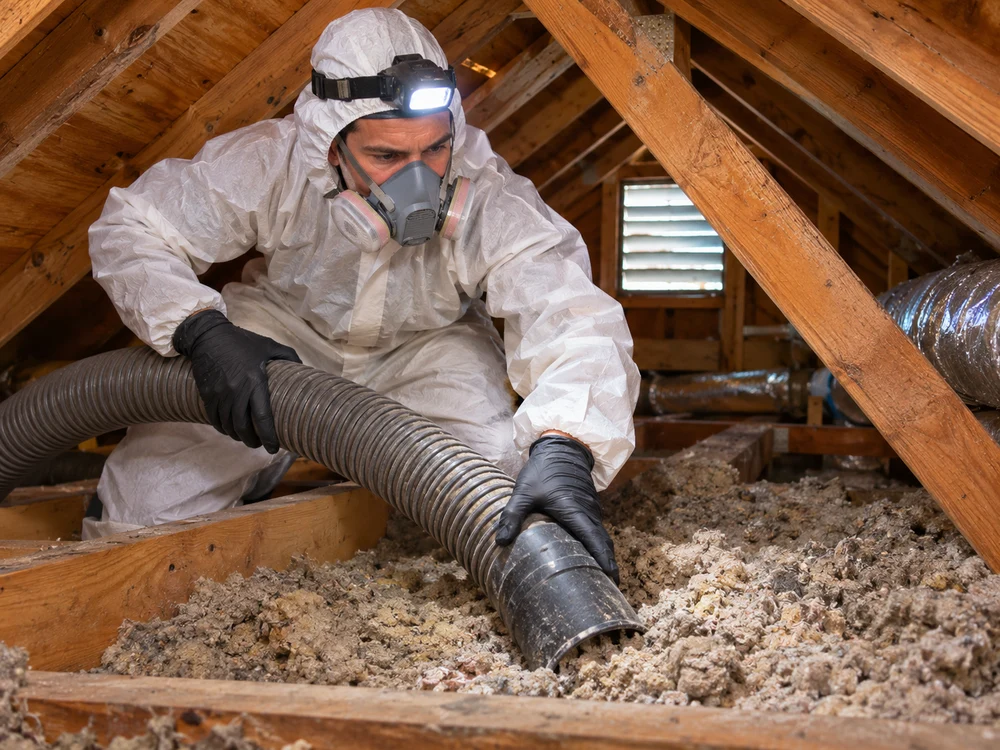
A professional cleanup should not start with a broom, shop vacuum, or ordinary household vacuum. Dry sweeping, brushing, and standard vacuuming can disturb contaminated dust and spread particles into the air. Rodent droppings, urine residue, and nesting debris require controlled handling.
Before Cleanup: Inspection and Containment
The first step is defining the work area. In an attic, that may mean identifying contaminated insulation zones, locating trails along framing, and checking around penetrations, vents, and ductwork. In a crawlspace, technicians may evaluate ground debris, vapor barriers, floor insulation, and plumbing or utility openings.
Containment is then used to help keep debris and dust from migrating into clean portions of the property. Technicians wear appropriate personal protective equipment and prepare sealed disposal methods before contaminated material is moved. This site preparation is not cosmetic. It protects occupied areas and helps make the cleanup more controlled from start to finish.
During Cleanup: Removal, Sanitation, and Odor Treatment
Contaminated nesting materials, droppings, and insulation are removed using methods designed for rodent cleanup. Where appropriate, specialized HEPA equipment is used to capture fine particulate rather than recirculating it. Contaminated surfaces are treated with a suitable disinfecting process that remains in place for the required contact time before further handling.
Materials that cannot be meaningfully cleaned, such as urine-soaked or heavily contaminated insulation, may need removal rather than surface treatment. Sealed disposal is essential so waste does not move through the home, hallway, or worksite uncovered.
Odor treatment should follow removal and sanitation, not replace them. Sprays that merely cover the smell are rarely a lasting answer when the source remains in insulation, wood framing, wall voids, or debris. Targeted sanitation and proprietary rodent scent neutralization are intended to address the odor source after contaminated materials have been properly removed.
After Cleanup: Restoration and Exclusion
Once the affected area is clean and dry, restoration can begin. Depending on the space, that may include replacing removed attic insulation, restoring a crawlspace area, or addressing minor damage directly related to rodent activity. The goal is not to make an attic look briefly improved. It is to leave the space cleaner, less odorous, and easier to monitor.
Exclusion closes the loop. Openings around rooflines, vents, utility penetrations, and other vulnerable areas should be identified and properly sealed with durable materials suited to the location. Tree trimming and exterior maintenance may also be recommended when they reduce easy roof access. Exclusion does not mean sealing a building without confirming rodents are out. Timing and inspection matter.
Warning Signs That Cleanup Should Not Wait
Fresh droppings, scratching above a ceiling, a sharp urine odor, stained insulation, chewed materials, or nesting debris are all reasons to schedule an inspection. In a commercial property, signs may show up in a drop ceiling, stockroom, storage area, electrical room, or warehouse perimeter. In apartment buildings, one affected unit can be connected to shared voids and utility paths that require a broader evaluation.
Odor is often the sign people notice last. By the time an attic smells strongly of urine, contamination may have been accumulating for some time. Warm attic temperatures can intensify the odor, and air movement can carry it into living or working areas. Waiting can allow additional damage and make restoration more involved.
If you find a small amount of rodent waste in an accessible area, avoid dry cleanup. Keep people and pets away from the affected spot, ventilate the area when practical, and use CDC-aligned precautions: wear appropriate protective equipment, thoroughly wet the material with disinfectant, allow the correct contact time, and place waste in sealed bags for disposal. For attic insulation, crawlspaces, extensive droppings, or repeated activity, professional service is the safer and more practical path.
Choosing a Long-Term Solution for Your Property
The best roof rat service plan is not always the least expensive first visit. A low-cost removal effort can become costly if odors continue, insulation remains contaminated, or entry points are left open. Ask whether the scope includes inspection, containment, waste removal, sanitation, odor neutralization, exclusion recommendations, and restoration options. You should also understand what work is performed in hard-to-reach spaces and how contaminated material will be contained during removal.
For homeowners, that clarity protects the condition of the home. For property managers and commercial owners, it helps reduce disruption, document the response, and support a safer environment for tenants, staff, and visitors. Whether the property is a hillside home in Los Angeles, an apartment building in Santa Monica, or a warehouse near Ontario, the principle is the same: remove the contamination, address access points, and do not leave the odor source behind.
A roof rat problem does not improve because the noise stops for a few nights. A careful inspection can show what is active, what is contaminated, and what needs to be done to help keep rodents out for good.
Don’t Wait – Schedule a Professional Inspection
833-END-RATS (833-363-7287)
