
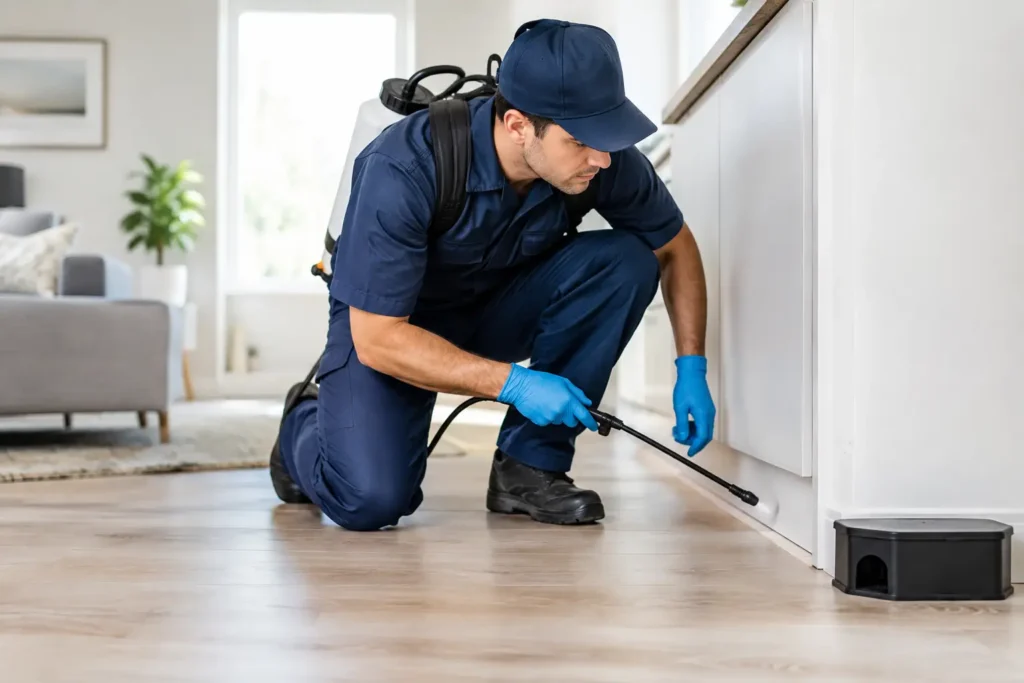
A few droppings in the attic can point to a much larger problem above your ceiling. Professional Rodent Control is not simply about removing animals or setting a few traps. For a home with rodent activity, the real work is removing hazardous contamination, correcting damage to insulation, treating odors, and closing the gaps that allowed rodents inside.
That distinction matters. Rodents can leave urine, feces, nesting material, and damaged insulation in spaces your family rarely sees but still depends on for clean air, temperature control, and structural protection. A surface-level pest treatment may reduce activity, but it does not restore an attic or crawlspace that has already been contaminated.
Why Rodent Activity Requires More Than Pest Removal
Rodents seek attics, crawlspaces, wall voids, and garages because these areas are quiet, protected, and often easy to access. Once inside, they can reproduce quickly and continue using the same travel paths, nests, and entry points. The longer activity goes untreated, the more contamination can build up.
Homeowners often first notice the problem through a strong ammonia-like odor, scratching sounds at night, chewed wiring, or droppings near stored items. In many cases, however, the most serious evidence is hidden in insulation or beneath the home. Insulation can absorb urine, become packed down by nesting, and lose its ability to regulate indoor temperatures effectively.
This is why trapping alone is rarely the complete answer. If contaminated material remains in place, odors may linger and the affected area may continue to compromise the condition of the home. If exterior openings remain open, new rodents can return as soon as the immediate population is removed.
What Professional Rodent Control Should Include
A complete service should address the problem from the source to the restoration. The exact scope depends on the level of activity, the size of the affected area, and whether damage is limited to one location or spread throughout the attic or crawlspace.
A Careful Property Inspection
The first step is identifying where rodents entered, where they traveled, and what they damaged. A professional inspection looks beyond visible droppings. Technicians assess attic insulation, crawlspace conditions, vents, roofline gaps, utility penetrations, foundation openings, duct connections, and other vulnerable areas.
This assessment helps determine whether cleanup is needed in a contained area or whether extensive removal and replacement are the safer solution. It also prevents homeowners from paying for work that does not address the actual source of the issue.
Safe Removal of Contaminated Materials
Rodent waste and nesting debris should not be swept, vacuumed with ordinary household equipment, or handled without proper protective measures. Disturbing dry droppings and contaminated insulation can send particles into the air.
Trained technicians use appropriate protective gear and controlled removal practices to collect contaminated material safely. When insulation has been heavily soiled or damaged, removal may be necessary rather than attempting to treat only the surface. This is especially common in older homes, where insulation may have been affected for months or years before the problem became obvious.
Sanitization and Odor Treatment
Removing debris is essential, but it is not the same as sanitizing the space. Professional sanitization treats affected surfaces after contaminated materials are removed. The goal is to reduce contamination, address lingering urine odors, and leave the area in a cleaner condition for restoration.
Odor treatment is particularly important because rodent urine can remain noticeable long after animals are gone. Strong odors may also encourage future rodent activity if entry points are not sealed. Effective service handles both parts of the problem: the contamination already present and the conditions that could attract new activity.
Insulation Restoration
Insulation is one of the most overlooked parts of rodent cleanup. It is also one of the most important. Soiled, compressed, or missing insulation can affect comfort and energy efficiency, leaving rooms hotter in summer, colder in winter, and more expensive to heat or cool.
After removal and sanitization, replacement insulation can restore coverage and performance where it is needed. Not every home needs a full insulation replacement. A professional inspection should identify the condition of the existing material and recommend a practical solution based on the actual damage.
Exclusion That Locks Rodents Out
Exclusion is what turns cleanup into long-term protection. It involves sealing access points with durable materials and addressing the weak areas rodents use to enter the structure. Common entry locations include damaged vent screens, gaps around plumbing or utility lines, openings along eaves, roofline gaps, and cracks near the foundation.
Rodents can fit through surprisingly small openings, so exclusion work requires attention to detail. A visible hole near the garage may be only one part of the problem. A thorough approach checks the whole exterior envelope, not just the area where droppings were discovered.
When to Call for Professional Help
Do not wait for a small sign to become a major restoration project. A prompt inspection is a smart next step if you notice recurring droppings, scratching or movement overhead, urine odors, torn duct insulation, chewed materials, nests, or signs that attic insulation has been disturbed.
Immediate service is especially valuable when contamination is near HVAC equipment, stored belongings, or areas that connect directly to living spaces. Homes with young children, older adults, pets, or household members with respiratory sensitivities may have even more reason to address the issue quickly and carefully.
There is also a difference between finding one old dropping in a garage and discovering widespread evidence in an attic. The first situation may require limited work. The second may call for full cleanup, sanitization, insulation replacement, and exclusion. An honest inspection helps clarify that difference before work begins.
Why DIY Cleanup Can Create More Problems
It is understandable to want to clean up visible evidence right away. But concealed rodent contamination is not a typical household cleaning task. Homeowners may not have the protective equipment, containment process, sanitation products, or access needed to handle affected attic and crawlspace materials safely.
DIY efforts can also miss the main reason rodents got in. Filling one obvious gap while leaving several roofline or utility openings untouched can create a frustrating cycle of repeat activity. Similarly, using traps without cleaning contaminated insulation can leave behind odors and damaged material even after the noise stops.
The goal should not be to make the evidence disappear for a few days. It should be to return the affected area to a clean, functional condition and make the home harder for rodents to enter again.
A Clear Path Back to a Clean Home
For Southern California homeowners, rodent issues often become urgent because attics and crawlspaces are out of sight until odors, sounds, or rising energy bills make the problem impossible to ignore. The right response is calm, thorough, and focused on results.
Professional Rodent Cleanup provides free, no-obligation inspections for homeowners who need answers quickly. Certified technicians can evaluate the damage, explain the recommended scope of cleanup and exclusion, and perform the work needed to remove contamination, restore insulation, and help prevent reinfestation. Same-day availability, 24/7 emergency response, financing options, and a lifetime workmanship guarantee offer added confidence when the job cannot wait.
A clean attic or crawlspace should not be a temporary fix. When contamination is removed, insulation is restored, and entry points are properly sealed, your home can feel protected again – not just treated, but truly cared for.