
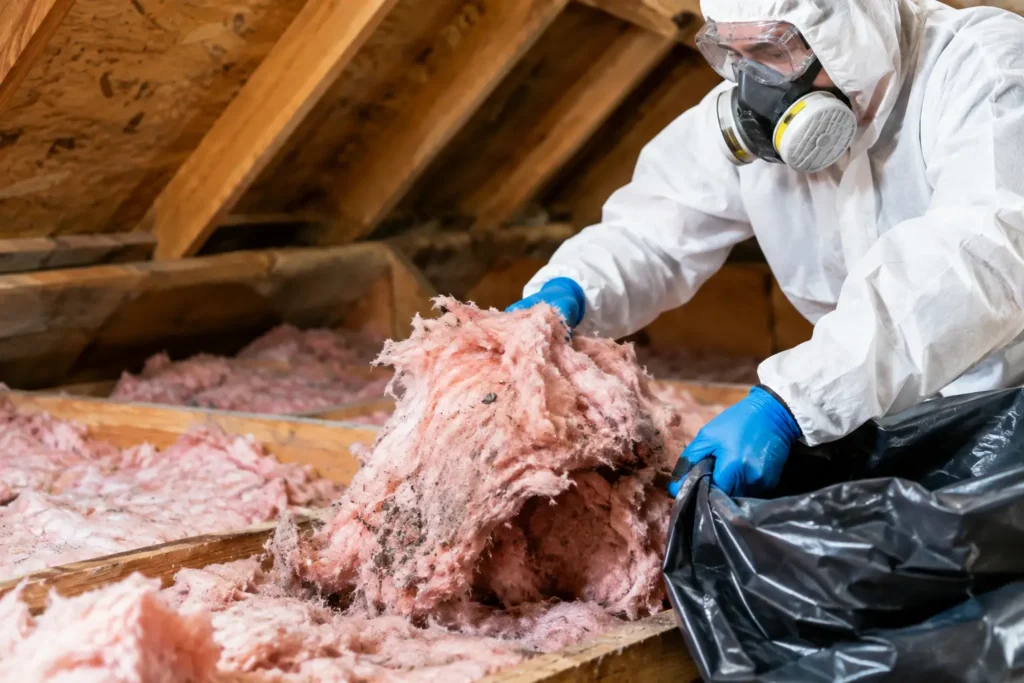
A rat problem does not end when the scratching stops. If rodents have nested in your attic or crawlspace, rat infested insulation removal is often the step that restores the space from contaminated and odorous to clean, insulated, and protected. Droppings, urine, nesting debris, and damaged insulation can remain hidden above your ceiling or below your floors long after rats are gone.
For homeowners, this is more than a pest-control issue. Contaminated insulation can affect odor, indoor air quality, energy performance, and confidence in the condition of your home. The right response addresses the rodents, the damage they left behind, and the entry points that allowed them in.
When Rat-Infested Insulation Needs Removal
Not every attic needs a full insulation replacement. It depends on how widespread the activity is, how long it has been happening, the amount of urine and droppings present, and whether nesting materials are embedded throughout the insulation.
Insulation should be professionally evaluated when you notice persistent urine odors, visible droppings, shredded paper or fabric, chewed wiring, flattened areas, or insulation that appears darkened and matted. Rats frequently travel along framing and utility lines, leaving contamination well beyond the one nest you can see.
Spot cleaning may be appropriate for a small, contained issue. But when contamination is distributed across an attic or crawlspace, leaving affected insulation in place can allow odors to linger and make proper sanitization difficult. Old or compressed insulation may also no longer provide the thermal performance your home needs.
Why Removal Is Not a DIY Cleanup Job
Sweeping droppings or pulling out soiled insulation without the right containment and protective equipment can stir contaminated dust into the air. Attics and crawlspaces also present practical hazards: tight access, exposed nails, unstable surfaces, damaged electrical wiring, and poor ventilation.
Professional removal starts with protecting the home and the people in it. Technicians use appropriate protective gear and controlled removal methods to collect contaminated insulation and nesting materials without treating the space like a simple trash-out. Once materials are removed, the exposed surfaces can be inspected for hidden activity, stains, damage, and remaining access routes.
The goal is not to make the attic look better from the access hatch. It is to remove the contaminated material thoroughly enough that the space can be sanitized and restored.
The Complete Rat Infested Insulation Removal Process
A proper restoration project follows a clear sequence. First, the attic or crawlspace is inspected to determine the extent of contamination and identify where rats entered. This is critical because installing fresh insulation before the structure is secured can set the stage for another infestation.
Next comes the removal phase. Contaminated insulation, droppings, nests, and debris are safely extracted. The exposed area is then treated to address urine residue, odor, and sanitation concerns. Depending on conditions, technicians may also identify damaged ducting, chewed wiring, compromised vapor barriers, or other items that need attention from the appropriate trade.
After cleanup and treatment, replacement insulation can be installed where needed. Fresh insulation helps restore the home’s thermal barrier, which can improve comfort and reduce the strain caused by poorly insulated attic spaces. The final protection step is exclusion work: sealing gaps around rooflines, vents, utility penetrations, foundations, and other vulnerable openings that rats use to get inside.
Removal without exclusion is incomplete. Exclusion without cleanup leaves the contamination behind. A full restoration approach handles both.
What Homeowners Should Expect From an Inspection
A useful inspection should give you more than a quick confirmation that rodents were present. You should understand the condition of the insulation, the severity of the contamination, where rats gained access, and whether replacement is recommended or only limited removal is necessary.
Ask whether the proposed work includes sanitation and odor treatment, not simply insulation removal. Also ask how entry points will be sealed and what workmanship protection is provided after the project is complete. These details matter because the lowest-cost option can become expensive if rats return or odors remain trapped in the structure.
For Southern California homeowners, attic conditions can be especially challenging in older homes with aging vent screens, open construction gaps, and long-neglected insulation. A free, no-obligation inspection from Professional Rodent Cleanup can help clarify the scope before you commit to a solution.
Don’t Wait for the Damage to Spread
Rats reproduce quickly, and every additional week of activity can mean more droppings, stronger odors, and more damaged insulation. If you have found signs of rodents in an attic or crawlspace, treat the area as a home-restoration issue, not a chore to put off until later.
A clean, sanitized, properly insulated, and sealed space gives your home the protection it needs – and gives you a clearer path back to feeling comfortable under your own roof.