
A few droppings in the attic can point to a much larger problem beneath the insulation. Rodents often travel through hidden areas for weeks or months, leaving urine, nesting material, chewed wiring, and contaminated insulation behind. If you are searching for rodent clean up near me, you likely need more than traps. You need a trained team that can remove the contamination, sanitize the affected space, restore insulation, and close the openings that allowed rodents inside.
That complete approach protects your home and helps prevent the frustrating cycle of rodents returning after a basic pest-control visit. The right cleanup company should make the next steps clear, respond quickly, and treat your attic or crawlspace with the level of care a contaminated area requires.
Rodent Cleanup Is Not the Same as Rodent Removal
Pest control can help address active rodents. Cleanup begins after rodents have been removed or while an exclusion plan is underway. It focuses on what the infestation left behind: droppings, urine residue, nesting debris, damaged ducting, compromised vapor barriers, and insulation that can no longer perform as intended.
This distinction matters because contaminated insulation is not simply dirty. Rodent urine and droppings can create persistent odors and introduce contaminants into areas connected to your home’s air. In an attic, activity can also flatten or displace insulation, reducing its ability to help control indoor temperatures. In a crawlspace, moisture and contaminated debris can add another layer of concern.
A professional remediation project looks at the whole condition of the space. The goal is not to make it look better from the access opening. The goal is to remove hazardous materials, sanitize the area correctly, identify damage, and leave behind a clean, insulated, rodent-resistant environment.
Signs It Is Time to Call for Rodent Clean Up Near Me
A strong ammonia-like odor, especially near attic access points, vents, closets, or ceiling openings, is one of the most common reasons homeowners call. That odor may become stronger during warm weather or after rain, when air movement changes inside concealed spaces.
You may also notice droppings in a garage, attic, crawlspace, or around stored items. Shredded paper, insulation, fabric, and plant material can indicate nesting. Scratching or scurrying sounds after dark, greasy rub marks near openings, chewed wires, damaged ducts, and torn insulation are all signs that deserve prompt attention.
Do not assume that a quiet attic means the issue is over. Rodents may have moved on temporarily, been removed, or shifted their activity elsewhere, while the contamination remains. Waiting can allow odors to settle deeper into materials and can leave damaged insulation and access points unaddressed.
What Professional Rodent Remediation Should Include
Every property is different, so the scope depends on the type of rodent, the duration of activity, the size of the affected area, and the condition of existing insulation. Still, a complete service generally follows a clear sequence.
Inspection and a Clear Scope of Work
The process should start with a thorough property inspection. A technician assesses attic or crawlspace conditions, identifies visible contamination, looks for damaged materials, and traces likely entry points around the exterior. Older homes can have numerous vulnerabilities, including roofline gaps, uncapped vents, utility penetrations, foundation openings, and damaged screens.
A useful inspection does more than confirm there are droppings. It explains what needs to be removed, what can be treated, whether insulation replacement is appropriate, and how the home will be sealed against future entry. Homeowners should receive straightforward recommendations rather than a vague promise to “spray” the area.
Contaminated Material Removal
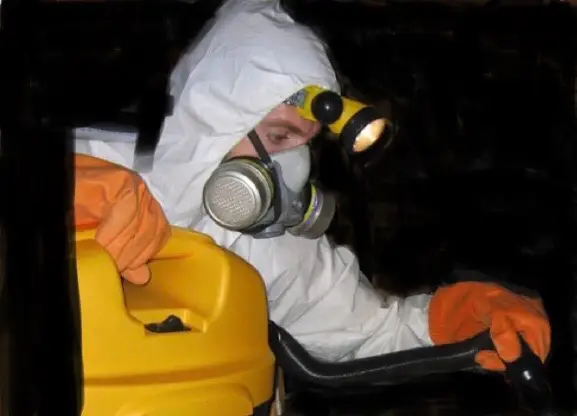
Technicians should use proper protective equipment and controlled work practices when handling rodent-contaminated debris. Depending on the conditions, this may involve removing soiled insulation, nests, droppings, and other materials that cannot be safely or effectively restored.
This is not a job for sweeping droppings into a bag or vacuuming an attic with standard household equipment. Disturbing dry rodent waste can spread particles into the air. Professional cleanup is designed to minimize exposure while removing materials from difficult, enclosed spaces.
Sanitization and Odor Treatment
Once contaminated materials are removed, the underlying surfaces can be treated with professional-grade sanitation products appropriate for the affected area. The purpose is to address remaining residue and odor sources, not to cover them with fragrance.
Odor treatment is especially important when urine has soaked into insulation, wood framing, or inaccessible corners. Results depend on how extensive the contamination is and what materials are affected. Severe or long-term activity may require removal of more material before odors can be properly controlled. A reputable technician will explain those trade-offs honestly.
Insulation Restoration
If rodents have contaminated, compacted, or displaced attic insulation, replacement may be the practical next step. Fresh insulation helps restore thermal performance and can make your home more comfortable and energy-efficient after cleanup.
Not every attic needs a complete insulation replacement. Small, contained areas may require targeted removal and repair, while widespread contamination may justify a full removal and reinsulation project. The decision should be based on actual conditions, not a one-size-fits-all sales pitch.
Exclusion That Locks Rodents Out
Cleanup without exclusion leaves the door open for reinfestation. Rodents can enter through surprisingly small gaps, and they are persistent once they find warmth, shelter, and access to nesting material.
Effective exclusion seals openings at vulnerable locations while preserving necessary ventilation and drainage. This can include securing roofline gaps, vents, utility penetrations, crawlspace access points, and damaged exterior screens. The details matter. A patch that blocks one visible hole but ignores nearby entry routes is not lasting protection.
Why a Local, Full-Service Response Matters
When searching for rodent clean up near me, speed matters, but so does capability. A company that only sets traps may not be equipped to safely remediate an attic, remove insulation, control urine odors, or perform detailed exclusion work.
For homeowners in Los Angeles, Orange, Ventura, Riverside, and San Bernardino counties, a local team also understands the construction patterns that can create repeat entry points. Homes with aging rooflines, open eaves, crawlspaces, additions, and utility access routes often need a more careful inspection than a quick exterior walk-around.
Look for a provider that offers a no-obligation inspection, clear written recommendations, trained and insured technicians, and workmanship protection for exclusion work. Same-day availability and emergency response can be valuable when you have strong odors, fresh rodent activity, or a household member concerned about exposure.
Professional Rodent Cleanup approaches the work as home restoration, not just pest removal. That means addressing contamination, air-quality concerns, insulation condition, and rodent entry points as connected parts of the same problem.
What You Can Do Before the Crew Arrives
Avoid disturbing droppings, nests, or heavily soiled insulation. Do not sweep or vacuum visible waste with ordinary equipment, and keep children and pets away from the affected area when possible. If you find a dead rodent or visible droppings in a living area, limit access and arrange professional guidance rather than trying to deep-clean a larger hidden issue yourself.
You can make the inspection more efficient by noting where you noticed odors or sounds, when they occur, and whether you have seen droppings or exterior damage. Clear access to the attic hatch, garage, or crawlspace entrance can also help the technician assess conditions safely.
The Outcome to Expect
A properly completed project should leave you with more than an attic that appears cleaner at a glance. You should have contaminated debris removed, affected areas sanitized, insulation restored where needed, and documented exclusion work designed to prevent rodents from getting back in.
That is the difference between reacting to a rodent sighting and restoring the part of your home the infestation affected. Don’t wait for odors, damage, or anxiety to grow – a professional inspection can give you a clear path back to a clean, protected home.