
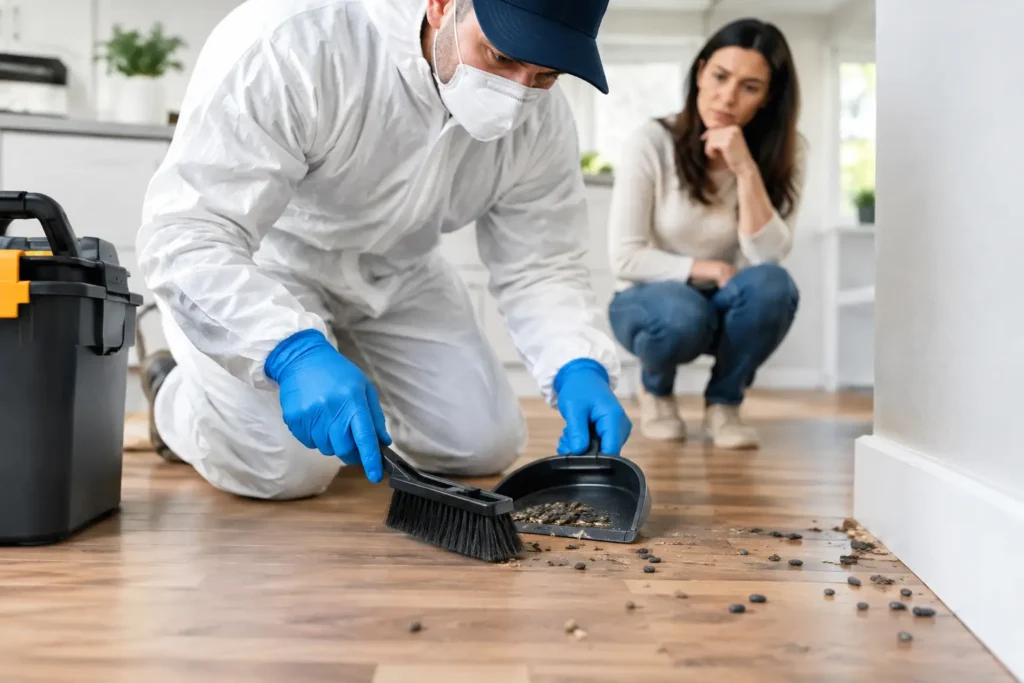
A rodent problem can look small from the living space – a few droppings, scratching overhead, or an odor that will not go away. But an attic or crawlspace may tell a different story: urine-soaked insulation, nesting material, damaged ducting, and openings that allow rodents to keep coming back. Rodent cleanup cost depends on the condition behind those concealed areas, not simply on how many rodents were seen.
For homeowners, the goal should not be a quick surface cleanup. A proper project removes contaminated materials, sanitizes the affected area, restores damaged insulation when needed, and seals the entry points that started the problem. That complete approach costs more than setting traps, but it protects the home, its air quality, and its long-term condition.
What Affects Rodent Cleanup Cost?
There is no responsible flat price for every rodent cleanup. A small, contained issue in an accessible attic is very different from a long-term infestation spread across an attic and crawlspace. The most accurate answer begins with an on-site inspection of the contamination, insulation, access points, and structural conditions.
The size of the affected area is a major factor. Cleanup of one localized nesting area may require limited removal and sanitization. If rodents have traveled throughout an attic, however, technicians may need to remove and bag large amounts of contaminated insulation, treat broad surface areas, and prepare the space for replacement insulation.
The type and age of the contamination matter, too. Fresh droppings and a small nest are concerning, but extensive urine staining and persistent odor can indicate activity over months or years. Urine can soak into insulation and settle on framing, ductwork, and other materials. Removing the source and applying appropriate sanitizing and odor-treatment methods takes more labor than sweeping visible debris.
Access also affects the quote. Tight crawlspaces, steep roof access, limited attic entry points, and areas around HVAC equipment require additional time and protective measures. Professional cleanup crews work in full protective gear and must safely contain, remove, and dispose of contaminated materials rather than spreading debris through the home.
Typical Parts of a Professional Cleanup Estimate
A complete estimate should show what is being addressed and why. Homeowners should be cautious of a low cleanup price that covers only visible droppings while leaving damaged insulation, odor sources, or rodent entry points behind.
Contamination Removal and Sanitization
This portion of the project covers the removal of droppings, nesting materials, carcasses when present, and contaminated insulation or debris. The crew then sanitizes affected surfaces to address rodent waste and reduce lingering odor. The exact scope depends on whether contamination is limited to a few locations or widespread throughout the space.
Sanitization is not a cosmetic add-on. Rodent waste in attics and crawlspaces can affect odor and indoor air conditions, particularly when air leaks, ductwork, or ceiling penetrations connect those spaces to the living area. A professional team identifies the actual contamination source instead of masking it with fragrance.
Insulation Removal and Replacement
Insulation is often the largest variable in rodent cleanup cost. Rodents tunnel through it, use it for nesting, and contaminate it with urine and droppings. Once insulation is heavily affected, keeping it in place can leave behind odor, contamination, and poor thermal performance.
Replacement costs depend on the square footage, insulation type, required depth, and attic layout. While this can increase the initial project cost, new insulation can help restore the home’s ability to manage heat, especially in Southern California attics that face long periods of high temperatures. It is both a cleanup decision and a home-performance decision.
Exclusion and Rodent Proofing
Cleanup without exclusion leaves the door open to a repeat infestation. Rodents can enter through surprisingly small gaps around rooflines, vents, utility penetrations, eaves, crawlspace vents, and damaged exterior materials. A lasting estimate should account for finding and sealing those vulnerable areas.
Exclusion work varies based on the number, location, and condition of entry points. A few accessible gaps may be straightforward to seal. Older homes with deteriorated screens, multiple roofline openings, or complex exterior features may require a more detailed repair plan. The trade-off is simple: paying for proper exclusion now can help prevent another cleanup project later.
Why the Cheapest Quote Can Become the Most Expensive
A basic pest-control visit may remove or trap rodents, but it does not automatically restore an attic or crawlspace after they are gone. If contaminated insulation remains, odors may continue. If entry points remain open, new rodents may replace the ones that were removed.
Some homeowners also try to clean an attic themselves to save money. That can be risky when droppings, urine, insulation fibers, and dust are disturbed in a confined space. Without proper protective equipment, containment, and disposal practices, a DIY effort may expose the homeowner to contaminants or leave hidden material behind.
The better comparison is not cleanup cost versus trap cost. It is the cost of a complete restoration versus the cost of recurring pest activity, ongoing odor, damaged insulation, and repeat repairs. A detailed scope of work gives homeowners a clearer basis for comparing proposals than one low number with few specifics.
Questions to Ask Before Approving a Cleanup Project
Before moving forward, ask whether the quote includes removal of contaminated insulation, treatment of urine odor, sanitization of exposed surfaces, disposal of debris, and replacement insulation if needed. Confirm whether the company will inspect and seal active entry points, not just recommend that you do it later.
It is also reasonable to ask about licensing, insurance, technician training, protective procedures, scheduling, financing, and workmanship coverage. A serious contamination issue deserves a team that can explain the work in plain language and stand behind it after the cleanup is complete.
For many homeowners, a free inspection is the most useful starting point. It replaces guesswork with a documented view of the attic, crawlspace, insulation condition, contamination level, and exterior access points. At Professional Rodent Cleanup, the focus is on building a scope that removes the damage, sanitizes the affected space, restores insulation where necessary, and locks rodents out for good.
When to Schedule an Inspection
Do not wait for visible rodents in the living area. Schedule an inspection when you notice scratching in walls or ceilings, droppings, a sharp urine smell, chewed wiring or stored items, insulation falling from attic access areas, or unexplained changes in indoor odor. These signs can point to concealed activity that has already affected the attic or crawlspace.
Same-day availability and emergency response can be especially valuable when contamination is active, odor is entering the home, or a rodent has gained access to a sensitive area. The sooner the scope is identified, the sooner a qualified crew can stop the damage and begin restoration.
A cleanup quote should leave you with more than a cleaner attic. It should give you a practical path back to a sanitized, properly insulated, rodent-resistant home – and the confidence to use every part of your property without wondering what is happening overhead.