
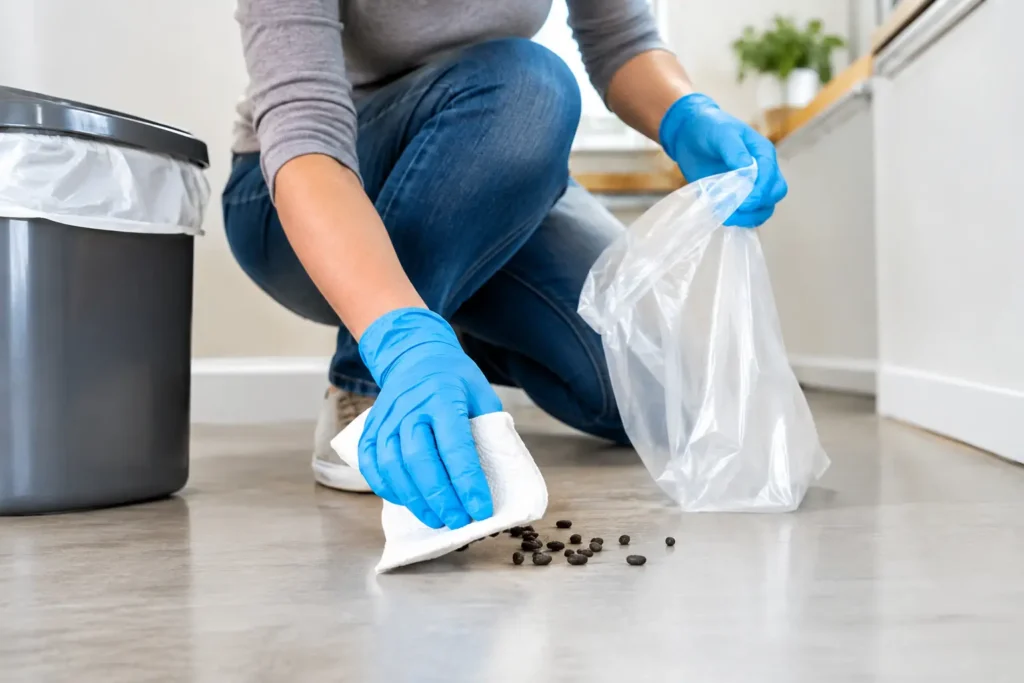
A few droppings in the attic can look like a small pest problem. In reality, rodent waste disposal is often a home-restoration issue. Rodents leave urine, feces, nesting debris, and damaged insulation behind in places your family rarely sees but still shares air with. The longer contamination remains, the more it can affect odor, indoor air quality, insulation performance, and your confidence in the condition of your home.
For homeowners, the goal should not be to simply remove what is visible. A complete solution removes contaminated materials, sanitizes affected areas, restores damaged insulation when needed, and closes the entry points that allowed rodents inside in the first place.
Why Rodent Waste Is More Than a Mess
Rodent droppings and urine are not contained neatly in one spot. Mice and rats travel through attics, crawlspaces, wall voids, garages, and utility areas, leaving contamination along their routes. They may also tear apart insulation for nesting material, creating pockets of debris and reducing the insulation’s ability to regulate indoor temperatures.
Urine is particularly difficult because it can soak into insulation, wood framing, subflooring, and other porous materials. Even after droppings are removed, lingering odor can remain if the underlying contamination is not properly treated. In an attic or crawlspace, those odors may become more noticeable during hot weather, after rain, or when your HVAC system is running.
There is also an exposure concern. Rodent waste can contain bacteria, allergens, and other contaminants. Disturbing dry droppings or nesting material without the right controls can send contaminated dust into the air. This is why a broom, household vacuum, or quick wipe-down is not a dependable answer for a heavily affected space.
When Professional Rodent Waste Disposal Is the Right Call
A single fresh dropping near a garage door may call for a different response than widespread attic contamination. The condition of the space matters. If waste is limited, accessible, and clearly isolated, a homeowner may be able to keep the area closed off while arranging an inspection. But when droppings, urine odor, shredded insulation, nests, or rodent activity appear in an attic or crawlspace, professional cleanup is the safer and more complete path.
You should treat the situation as urgent when there is a strong ammonia-like odor, visible droppings across multiple areas, stained insulation, chewed wiring, dead rodents, or signs that children or pets may have had access to the contamination. These conditions suggest the problem may be established rather than recent.
Professional cleanup is especially valuable in older Southern California homes, where small gaps around rooflines, plumbing penetrations, vents, and utility openings can give rodents repeated access. Removing waste without sealing those openings can leave a clean attic vulnerable to the same problem weeks later.
What Proper Rodent Waste Disposal Should Include
A real remediation process starts with identifying the full scope of the contamination. Technicians inspect the attic, crawlspace, and relevant exterior entry points to determine where rodents have traveled, nested, and damaged materials. This matters because the worst contamination is not always where you first noticed droppings.
Controlled Removal of Contaminated Materials
Technicians wearing full protective gear remove rodent droppings, nesting materials, carcasses, and heavily contaminated insulation using controlled methods. When insulation has absorbed urine or is filled with waste and debris, removal is often the better option than trying to treat it in place.
This is one of the biggest differences between pest control and remediation. Trapping or removing rodents addresses the animal. Cleanup addresses what the animal left behind. Both steps are necessary when contamination has spread through concealed areas of the home.
Sanitization and Odor Treatment
After contaminated materials are removed, affected surfaces need professional sanitization. The method depends on the material, the extent of urine staining, ventilation, and whether odor has reached framing, ducts, or other building components. A light surface treatment may be appropriate for a small affected area, while widespread activity can require more extensive treatment.
Odor control should never be treated as a cover-up. Fragrances may temporarily mask smells, but they do not remove the urine residue causing them. Effective odor treatment begins with source removal, followed by sanitization of affected structural surfaces.
Insulation Restoration
Insulation is not only a comfort feature. It helps keep conditioned air where it belongs and reduces the strain on heating and cooling equipment. Once rodents tunnel through it, nest in it, or contaminate it with urine and feces, its performance can decline.
Replacement insulation may be recommended after removal, particularly when the existing material is matted down, soiled, or unevenly distributed. The right recommendation depends on the amount of contamination and the condition of the remaining insulation. A thorough contractor should explain what can be safely retained and what should be removed.
Exclusion That Stops Reinfestation
Cleanup without exclusion is incomplete. Rodents can enter through openings that seem too small to matter, including gaps near eaves, vents, roof intersections, pipes, and foundation access points. If those vulnerabilities remain open, new rodents can contaminate the restored area.
Exclusion work identifies and seals active and potential entry points using durable materials and workmanship designed for the location. It is the step that turns a cleanup project into long-term protection. A lifetime workmanship guarantee provides added confidence that the sealing work is built to last.
What Not to Do After Finding Droppings
Do not sweep or vacuum dry rodent waste. Those actions can stir dust and spread particles through the area. Avoid pulling contaminated insulation out with bare hands or entering a confined attic or crawlspace without proper protective equipment.
It is also wise not to assume the problem is gone because you have not seen a rodent recently. Nocturnal activity can continue out of sight, and old droppings can remain alongside fresh contamination. An inspection can distinguish an isolated issue from an active infestation and reveal the pathways rodents are using.
If you smell urine but cannot see the source, resist the temptation to spray odor products into the attic or crawlspace. Hidden nests, urine-soaked insulation, and contaminated voids require a closer evaluation. Covering the smell may delay the restoration work your home actually needs.
A Cleaner Home Starts With the Right Sequence
The best results follow a clear order: remove the rodents or confirm activity is controlled, eliminate contaminated waste and materials, sanitize affected spaces, restore insulation where necessary, and seal the home against future access. Skipping any one of these steps can create a frustrating cycle of odors, damaged insulation, and repeat infestations.
Professional Rodent Cleanup approaches the job as complete home restoration, not just rodent removal. Certified technicians can inspect the property at no obligation, explain what they found, and provide a straightforward plan for cleanup, sanitization, insulation, and exclusion. Same-day availability and 24/7 emergency response can help when the problem cannot wait.
Don’t wait for attic odor or visible droppings to become a larger repair issue. A clean, sanitized, properly insulated, and rodent-resistant home gives you something basic but valuable: the ability to feel comfortable in every part of your property again.