
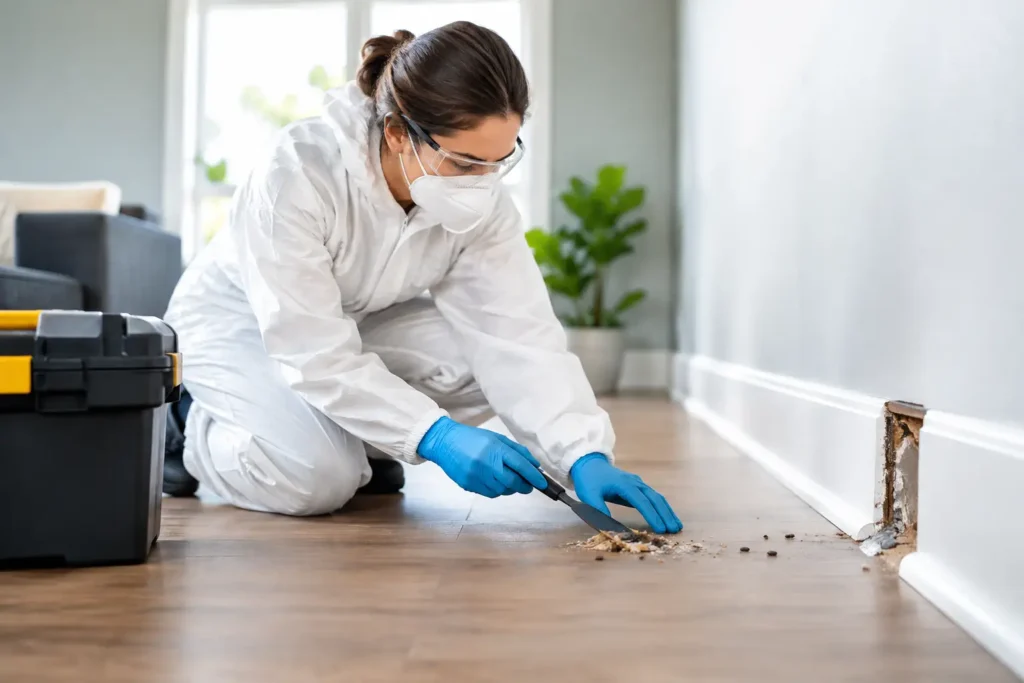
A few droppings in the attic can point to a much larger problem above your ceiling. Rodents may leave urine, nesting debris, damaged insulation, chewed wiring, and odors that spread through the home’s air pathways. Professional rodent cleanup is designed to address that hidden damage safely and completely – not simply remove the animal and hope the smell goes away.
For homeowners, the goal is simple: restore a clean, sanitary, properly insulated space and close off the openings that allowed rodents inside. That requires more than traps. It requires a focused remediation process built for attics, crawlspaces, wall voids, and other areas where contamination can accumulate unnoticed.
Why Rodent Contamination Needs More Than Pest Removal
Pest removal and cleanup are related, but they solve different parts of the problem. Removing or trapping rodents helps stop active activity. It does not remove the droppings, urine residue, nests, food debris, or compromised insulation they leave behind.
In an attic or crawlspace, contaminated materials can remain in place long after the rodents are gone. Urine odor may linger, particularly during warm Southern California weather. Soiled insulation can lose its effectiveness, leaving the home less comfortable and potentially increasing heating and cooling costs. Rodents can also damage ducts, wiring, vapor barriers, and stored belongings.
The health concern is real as well. Disturbing droppings or nesting materials without the right protective equipment and containment can expose occupants to contaminated dust. Homeowners should not have to crawl through an affected attic with a shop vacuum, household disinfectant, and a disposable mask. Hidden spaces need to be handled with the same care as any other contaminated area of the home.
What Professional Rodent Cleanup Includes
A complete cleanup begins with an inspection, because no two infestations leave the same level of damage. A technician evaluates the attic, crawlspace, accessible wall areas, exterior entry points, insulation condition, odor sources, and signs of ongoing activity. The findings determine whether the project calls for targeted sanitation, partial insulation removal, full insulation replacement, exclusion work, or a combination of services.
Safe removal of contaminated materials
The first priority is removing what cannot be effectively cleaned. This may include rodent droppings, nests, heavily soiled insulation, dead rodents, food remnants, and damaged vapor barrier material. Trained technicians use full protective gear and professional equipment to contain debris and remove it without spreading contamination into living areas.
Insulation is often the biggest issue. Rodents tunnel through it, nest in it, and soil it in ways that compromise both cleanliness and performance. Sometimes only affected sections need to be removed. In more extensive cases, full attic insulation removal is the better long-term decision. The right approach depends on how widespread the contamination is, how old the insulation is, and whether odors have penetrated throughout the material.
Sanitization and odor treatment
After debris removal, exposed surfaces are professionally sanitized. This step targets the residue left on framing, subflooring, and other accessible building materials. It is not a cosmetic spray-over. The purpose is to treat the contaminated area after physical waste has been removed.
Odor treatment matters because rodent urine can remain detectable even when an attic looks clean. A professional service identifies the source of the odor and treats it as part of the restoration plan. If contaminated insulation remains in place, odor control may be limited. That is why cleanup decisions should be based on the condition of the materials, not just what is visible from the attic opening.
Insulation restoration
Once the space is clean and dry, replacement insulation can restore the thermal barrier that rodents damaged. Proper insulation helps stabilize indoor temperatures and supports a more energy-efficient home. It also gives homeowners a clean reset instead of leaving an attic filled with patched, flattened, or contaminated material.
Replacement is not always necessary, but it is often worthwhile when the existing insulation is heavily soiled, old, compressed, or unevenly distributed. During an inspection, a professional can explain whether cleaning, partial replacement, or complete replacement makes the most sense for the property and budget.
Professional Rodent Cleanup Must Include Exclusion
Cleanup without exclusion leaves the door open for the same problem to return. Rodents can enter through surprisingly small gaps around rooflines, eaves, utility penetrations, crawlspace vents, garage transitions, damaged screens, and construction gaps. If those points are not sealed, a sanitized attic can become contaminated again.
Exclusion work identifies and closes potential access points with durable materials suited to the location. The objective is not to make a temporary patch. It is to rodent-proof the structure and help keep future activity outside, where it belongs.
This is where a full restoration approach has an advantage over a basic pest-control visit. A trap may catch one rodent. Exclusion addresses how rodents entered. Cleanup addresses what they left behind. Insulation restoration addresses the damage to the home’s comfort and efficiency. Each part supports the others.
Signs You Should Schedule an Inspection
Homeowners often wait because they are not sure whether the problem is active or whether cleanup is truly needed. Waiting can allow odors, nesting, and insulation damage to get worse. A professional inspection is a practical next step if you notice multiple droppings, scratching above the ceiling or under the floor, a persistent urine or musty odor, torn duct insulation, gnawed materials, or debris around attic and crawlspace access points.
You should also consider an inspection after rodents have already been trapped or removed. The absence of movement does not confirm that the space is clean. Rodents may have been active for weeks or months before the first signs appeared inside the home.
For a newly purchased home, an attic or crawlspace inspection can be especially valuable if there are odors, older insulation, evidence of previous pest activity, or visible gaps around the exterior. Older homes often have access points created by settling, remodeling, aging vents, and worn construction materials.
What to Expect During a Cleanup Project
A professional team should explain the scope before work begins. You should know which areas are affected, what materials will be removed, whether insulation replacement is recommended, and which entry points need sealing. Clear findings help homeowners make decisions based on the actual condition of the property rather than guesswork.
During service, technicians should protect occupied areas and work carefully around the home. Attic and crawlspace work can be disruptive, particularly when insulation must be removed, but the purpose is to eliminate contaminated material rather than bury it under a superficial treatment. The project should end with a cleaner, sanitized space and a clear plan for preventing reinfestation.
In Southern California, fast scheduling can matter when odors are strong, rodent activity is ongoing, or a household includes children, pets, or sensitive occupants. Same-day availability and emergency response can help homeowners move from discovery to action without letting the problem linger.
Choose Restoration, Not a Temporary Fix
The least expensive option is not always the lowest-cost outcome. A quick trapping service may appear to solve the issue, but it can leave contaminated insulation, odor sources, and entry points behind. On the other hand, full removal and replacement may not be necessary for a small, contained issue. The right solution depends on the inspection and the condition of the affected space.
Look for a company that treats cleanup, sanitization, insulation, and exclusion as connected services. Licensed and insured technicians, documented findings, workmanship protection, and financing options can make a serious home repair feel more manageable. A lifetime workmanship guarantee on exclusion work also provides meaningful peace of mind when preventing a return is a top concern.
If you have found signs of rodents, trust what your home is telling you. A prompt inspection can turn an unsettling discovery into a clear plan for a cleaner attic or crawlspace, healthier indoor conditions, restored insulation, and a home that is much harder for rodents to enter again.