
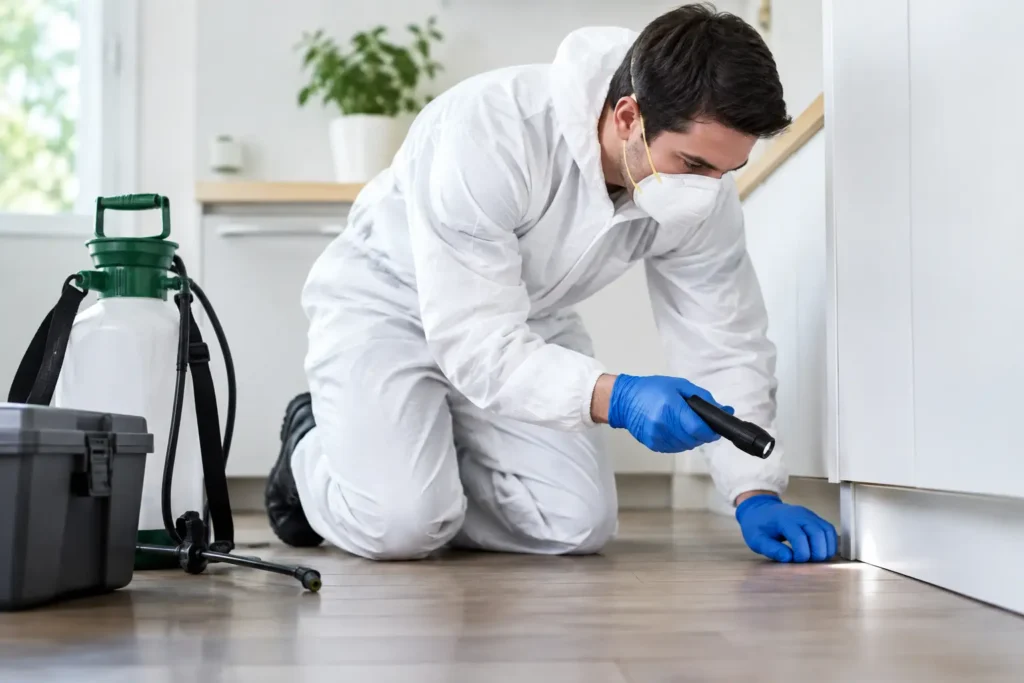
That sharp, stale odor from the attic is rarely “just an old-house smell.” When rodents have been active above a ceiling or beneath a floor, droppings, urine, nesting debris, and damaged insulation can remain long after the animals are gone. A rodent cleanup service addresses the part of an infestation that traps and pest removal alone do not: restoring the contaminated area so your home is clean, sanitary, insulated, and protected against another entry.
For homeowners, the goal is not simply to stop seeing rodents. It is to remove the evidence and conditions they leave behind without spreading contaminants through living spaces. That calls for a restoration process built around containment, removal, sanitization, insulation repair, and exclusion.
Why Rodent Contamination Needs More Than Traps
A few droppings in a garage may be manageable with proper precautions. An attic or crawlspace used as a nesting area is a different situation. Rodents can travel across insulation, framing, ductwork, wiring, and stored belongings, leaving urine and droppings throughout concealed areas. Over time, urine odor can work its way into the home, while contaminated insulation loses its ability to perform as intended.
The hidden nature of the damage is what catches many homeowners off guard. An attic may look mostly intact from the access opening, but technicians often find nesting material packed around ducts, trails through insulation, chewed wiring, or contamination concentrated along perimeter walls and entry points. Crawlspaces can hold similar problems, compounded by limited ventilation and moisture.
Removing rodents without cleaning the affected area leaves behind a health, odor, and property-condition concern. Cleaning without sealing entry points creates a different problem: rodents can return and contaminate the same space again. A complete response handles both sides.
What a Professional Rodent Cleanup Service Should Include
The right scope of work depends on how long the infestation has been active, the size of the affected area, and whether insulation can be safely retained. Still, a professional cleanup should follow a clear sequence rather than offering a vague spray-and-go treatment.
Inspection and contamination assessment
The first step is identifying where rodents have been active and how they entered. A thorough inspection looks beyond visible droppings. It checks attic and crawlspace insulation, roofline gaps, vents, utility penetrations, foundation openings, ducts, and other vulnerable access points.
This assessment determines whether spot cleanup is appropriate or whether contaminated insulation and nesting materials need removal. It should also identify damage that may need attention, such as torn ducting, chewed wires, compromised vapor barriers, or openings large enough for rodents to reenter.
For Southern California homes, inspections are especially valuable because rodent entry points can be surprisingly small and often appear around older rooflines, exterior vents, detached garages, and additions where building materials meet.
Protected removal of contaminated materials
Cleanup is not the time to sweep droppings into a bag or disturb dry nesting material without protection. Contaminated materials need to be handled carefully to limit unnecessary exposure and prevent particles from becoming airborne.
Professional technicians use appropriate protective gear and controlled removal methods to collect droppings, nests, and heavily contaminated insulation. If insulation has been used as a runway, nesting site, or bathroom, leaving it in place may preserve odors and contamination that are difficult to address from the surface alone.
Full insulation removal is not required in every attic. A limited, recent issue may call for targeted removal and treatment. A widespread or long-term infestation often makes full removal the more responsible choice, particularly when contamination is distributed across the space. The inspection should explain that difference plainly, so you know what is being removed and why.
Sanitization and odor treatment
After contaminated materials are removed, the exposed surfaces need professional sanitization. This step treats areas where rodents traveled, nested, or urinated, including framing, subflooring, ducts, and accessible surfaces within the attic or crawlspace.
Odor treatment matters because urine odor can linger even after the obvious debris is gone. It may become more noticeable on hot days, during humid weather, or when the HVAC system moves air through nearby spaces. Effective treatment focuses on the source, not a fragrance designed to cover it up.
Sanitization also helps prepare the space for restoration. New insulation should not be installed over active contamination, old nests, or untreated odor sources. Doing so can lock the problem underneath fresh material and make future service more difficult.
Insulation restoration when needed
Rodent-damaged insulation is more than a housekeeping issue. Insulation that is compressed, tunneled through, wet with urine, or removed by nesting activity may no longer provide dependable thermal performance. That can contribute to uncomfortable rooms and higher heating or cooling costs.
Replacement insulation restores coverage after cleanup and helps return the attic to a functional condition. The appropriate material and depth depend on the home, the existing construction, and the extent of removal. What matters most is that the area is clean and properly prepared before new insulation is installed.
Exclusion work that locks rodents out
A cleanup is incomplete if rodents still have a path inside. Exclusion is the preventative part of the job: locating and sealing entry points using durable materials and methods suited to the location.
Common trouble spots include gaps at roof returns, damaged vent screens, openings around pipes and utility lines, holes near eaves, foundation gaps, and unprotected crawlspace vents. Rodents are persistent, and a repair that looks acceptable from the ground may not withstand chewing or weather exposure. Professional exclusion is designed to close the routes rodents actually use, not merely the most visible hole.
What Homeowners Should Do Before Help Arrives
If you find rodent activity in an attic or crawlspace, avoid disturbing the area. Do not vacuum dry droppings with a household vacuum, sweep them into the air, or pull contaminated insulation out without appropriate protection. Keep children and pets away from the access point, and avoid storing household items near affected materials.
If rodents are currently active in living areas, if you notice strong odors, or if there are signs of chewed wiring, request service promptly. Electrical damage can create a separate safety concern, while ongoing activity increases the cleanup required.
It also helps to make a note of what you have noticed: where odors are strongest, when you hear scratching, whether you have seen droppings indoors, and any recent changes in energy comfort. These details can help guide the inspection, but you do not need to diagnose the infestation yourself.
Questions Worth Asking Before You Hire
Not every company that removes rodents performs full contamination remediation. Before scheduling work, ask whether the service includes removal of nests and contaminated insulation, professional sanitization, urine odor treatment, replacement insulation if needed, and sealing of entry points.
Ask how the scope is determined and whether the company inspects the entire affected area instead of treating only what is visible at the access opening. You should also understand what kind of workmanship guarantee applies to exclusion repairs and whether the team is licensed and insured for the work being performed.
Free, no-obligation inspections can make this decision easier. A credible inspection gives you a clear picture of the contamination, the repair priorities, and the options for restoring the space. At Professional Rodent Cleanup, the focus is a complete restoration plan, not a quick fix that leaves odors, damaged insulation, or entry points behind.
The Result Should Be a Home You Can Trust Again
A properly completed cleanup leaves more than an empty attic or crawlspace. It leaves a space that has been cleared of contaminated materials, sanitized at the source, restored with insulation where necessary, and sealed against future rodent access.
That peace of mind is especially valuable when the damage is out of sight. You should be able to use your home without wondering what is above the ceiling, beneath the floor, or waiting to return through an unsealed gap. If you have found the signs, do not wait for the odor or damage to spread – arrange a professional inspection and get a clear path back to a clean, protected home.