
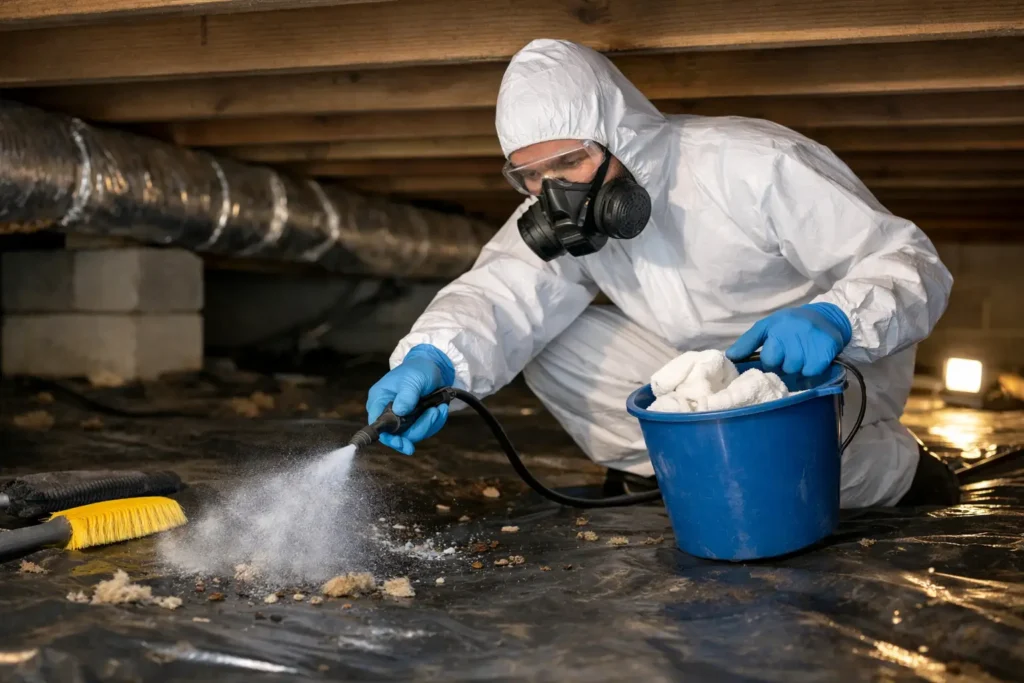
A crawl space can hide a rodent problem for months. By the time a homeowner notices a sharp urine odor, scratching beneath the floor, or a spike in energy bills, rodents may have already nested in insulation and left contamination across framing, ductwork, and soil. Crawl space rodent sanitation is not a basic pest-control visit. It is a restoration process designed to remove the mess rodents leave behind, restore affected materials, and stop them from getting back in.
For families, the concern is not only the sight of droppings. Contaminated crawlspaces can affect odors, indoor air quality, insulation performance, and the overall condition of the home. The right response is prompt, thorough, and focused on the full problem.
Why Rodent Contamination in a Crawl Space Is Different
Crawlspaces are dark, enclosed, and often difficult to access. That makes them an attractive shelter for rats and mice, especially in older Southern California homes with unsealed exterior gaps, damaged vents, plumbing penetrations, or loose foundation access doors.
Rodents do not stay neatly in one corner. They travel along joists, pipes, wiring, duct runs, and insulation. As they move, they can leave droppings, urine trails, nesting material, and food debris throughout the area. A few traps may reduce visible activity, but trapping alone does not remove the contamination or repair the conditions that allowed the infestation to develop.
Insulation is a frequent concern. Once insulation has been heavily soiled, compressed by nesting, or saturated with urine odor, cleaning its surface is rarely enough. Damaged insulation can lose its ability to regulate temperature, contribute to persistent odors, and leave a crawlspace looking clean while hidden contamination remains below it.
Signs Your Crawl Space Needs Professional Sanitation
Some infestations are obvious, while others show up as changes inside the living space. A professional inspection is especially worthwhile when you notice several warning signs at once, including:
- Persistent musty or ammonia-like odors near floors, vents, or utility areas
- Droppings, shredded insulation, nesting material, or gnaw marks around the foundation
- Sounds of movement beneath the floor or inside walls, particularly at night
- Torn duct insulation, damaged vapor barriers, or insulation that appears flattened or displaced
- New gaps around pipes, vents, crawlspace doors, rooflines, or exterior siding
It is possible for an odor to come from moisture, plumbing, or another issue. That is why an inspection matters. A trained technician can identify whether the problem is active rodent contamination, old contamination, moisture damage, or a combination of conditions that need separate attention.
What Complete Crawl Space Rodent Sanitation Includes
A complete service begins with understanding the extent of the damage, not guessing from one visible dropping. Technicians inspect the crawlspace, accessible foundation areas, insulation, entry points, and signs of current activity. The goal is to create a clear plan for removal, sanitation, restoration, and exclusion.
1. Safe Removal of Contaminated Materials
Technicians use protective gear and controlled removal practices to handle rodent droppings, urine-soiled nesting materials, carcasses, and contaminated insulation. This is not work to rush with a household vacuum or a shop broom. Disturbing dry droppings and debris can spread particles into the air, while leaving soiled materials behind can keep odors active.
The amount removed depends on the condition of the crawlspace. In a limited case, technicians may remove localized nesting debris and sanitize nearby surfaces. In a severe infestation, large sections of insulation may need removal because contamination has spread beyond a cleanable area. The right choice depends on what is actually present, not on a one-size-fits-all package.
2. Detailed Cleaning and Sanitization
After contaminated material is removed, affected surfaces need professional cleaning and treatment. This may include framing, subfloor areas, pipes, duct exteriors, vapor barriers, and other accessible surfaces where rodents traveled or nested.
Sanitization is meant to address biological contamination and the odor sources left behind. It should be paired with physical removal, not used as a substitute for it. Spraying a fragrance or deodorizer over droppings and ruined insulation may mask the smell for a short time, but it does not solve the underlying issue.
Odor treatment can also require a measured approach. Light, isolated urine odor may respond well after cleaning and sanitization. Long-term or widespread odor usually requires removal of the materials holding it, followed by treatment of the affected structure. A reputable provider will explain what can reasonably be cleaned and what needs replacement.
3. Insulation Restoration When Needed
A crawlspace without effective insulation can make a home less comfortable and less efficient to heat or cool. Rodents commonly tunnel through insulation, pull it apart for nests, and contaminate it with droppings and urine. Once that happens, restoring insulation is about more than appearance.
Replacement insulation should be installed after cleanup is complete and the source of entry has been addressed. Installing new insulation before exclusion can create a fresh nesting area for rodents that are still entering the home. The sequence matters: remove contamination, sanitize, seal access points, then restore the affected area.
4. Exclusion That Locks Rodents Out
The final and most important protection step is exclusion. Rodents can return quickly if gaps remain around foundation vents, utility lines, crawlspace doors, damaged screens, siding transitions, and other exterior openings.
Effective exclusion is a repair process, not a promise that rodents will simply go away. Technicians identify likely access points and use durable materials and proper sealing methods suited to the location. A gap that seems minor to a homeowner may be more than enough for a mouse, while a damaged vent can provide larger rodents with direct access beneath the house.
This is where full restoration differs from basic pest removal. A clean crawlspace is only protected when the entry routes are closed. Professional Rodent Cleanup approaches the job as a complete home-protection service: contamination removal, sanitation, insulation restoration when needed, and workmanship-focused exclusion.
Why DIY Cleanup Can Leave Problems Behind
Homeowners often want to act fast, especially after discovering droppings. Removing a small amount of visible debris may feel productive, but crawlspace contamination is easy to underestimate. There may be urine-soiled insulation behind a duct, nesting material under a vapor barrier, or access points outside the home that are still active.
There is also a difference between cleaning a surface and remediating a contaminated space. Household products may make an area smell better temporarily, but they are not a replacement for removing damaged materials or treating the full travel path of rodents. In a confined crawlspace, incomplete work can leave odors and concerns lingering long after the activity seems to stop.
Professional service brings protective equipment, access tools, removal procedures, sanitation products, and the experience to evaluate hidden damage. It also gives homeowners a documented scope of work, so they understand what was found, what was removed, and what was done to prevent reinfestation.
When to Schedule an Inspection
Do not wait for a small rodent issue to become a full crawlspace restoration project. Schedule an inspection when odors persist, droppings reappear, insulation is visibly disturbed, or you suspect animals are moving under the home. Acting early can limit the spread of contamination and reduce how much material needs to be removed.
For homeowners in Los Angeles, Ventura, Orange, Riverside, and San Bernardino counties, fast professional help is available when a crawlspace problem cannot wait. A no-obligation inspection can replace uncertainty with a clear plan for cleanup, sanitization, insulation repair, and lasting exclusion.
Your crawlspace may be out of sight, but it should never be out of mind. Once rodents have used it as a shelter, the safest path forward is to restore the space completely and close the door behind them for good.
2 Responses